












When renovating a house with a garden—or installing new outdoor flooring to replace existing ones—you're faced with a seemingly simple choice. Navigating the myriad of materials and technical solutions available can be more complex than you think, and the risk of making the wrong choice is always present. Therefore, you need to be particularly careful and carefully weigh all the various factors that can influence your choice.
Opting for sustainable and eco-friendly outdoor flooring could, however, help unravel the mess more quickly. This "choice of choice" significantly narrows the range of materials available and allows, among other things, for an environmentally friendly choice.
But what exactly are the ecological materials for eco-sustainable outdoor flooring? Let's discover together the "hi-tech" solutions available on the market today.

Stabilized earth, architectural concrete and lawn protection grid: the three choices for a hi-tech and sustainable outdoor flooring
To create sustainable and ecological outdoor flooring it is possible to choose between three different technical solutions: stabilized earth, architectural concrete and lawn protection grid. All three guarantee undeniable practical advantages and are extremely versatile. You just need to understand what they are to understand when and why to use them.
- What is stabilized earth. Among the three, this is the most "technologically advanced" solution. There stabilized land it is a mixture of quarry aggregate, recycled aggregates and a mineral and ecological binder which allows the creation of a surface characterized by high mechanical resistance and a high level of permeability;
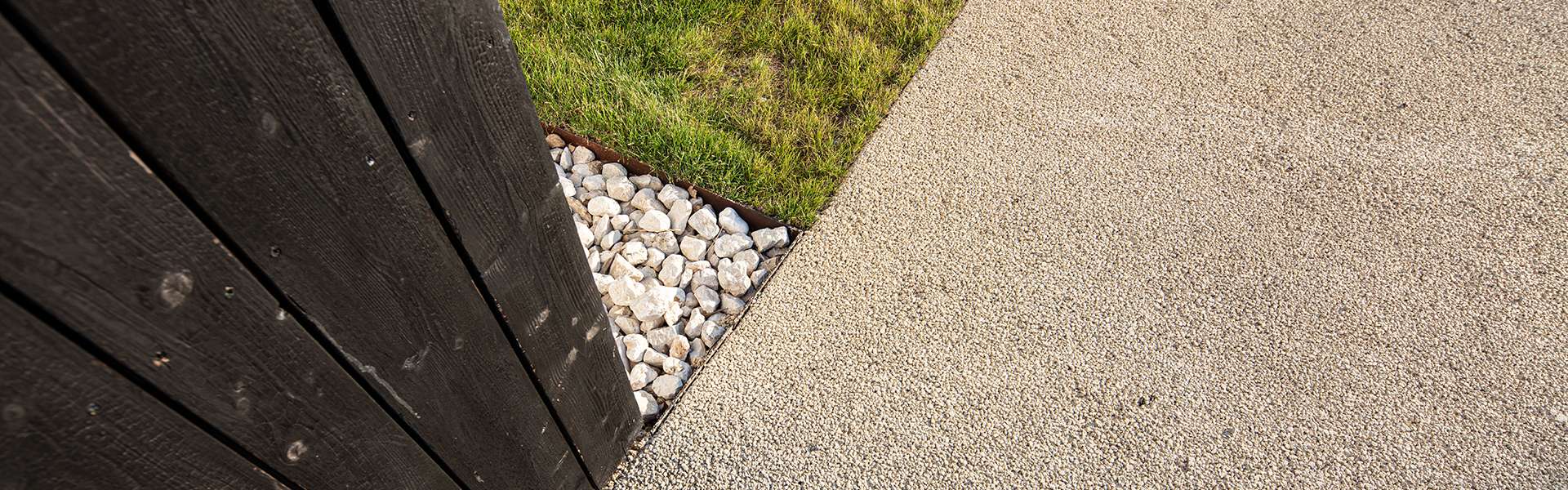
- What is architectural concrete. Natural-like flooring with a great aesthetic effect, it uses gravel and aggregates of different sizes to obtain an extremely solid and resistant surface over time;
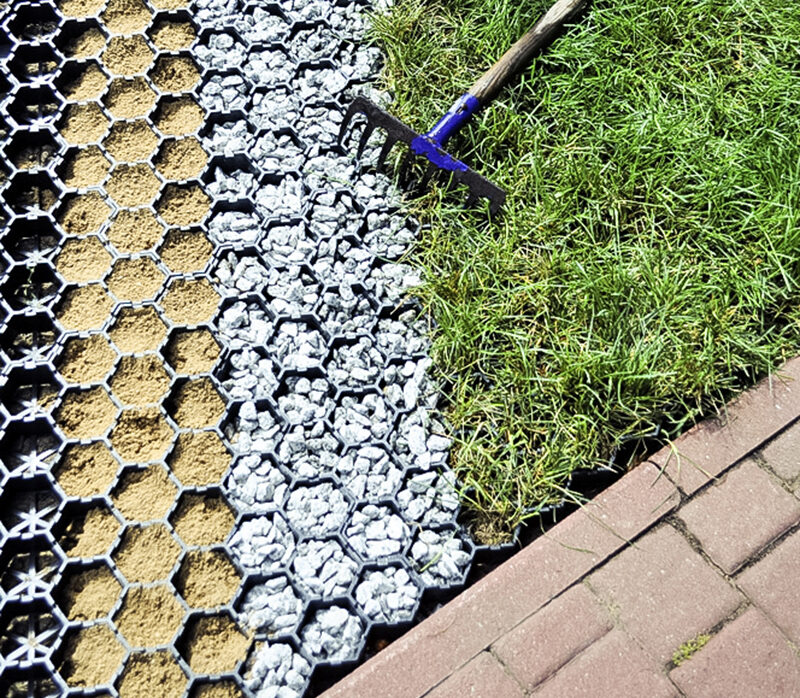
- What is the lawn guard. Also called armed lawn, it's about a honeycomb structure which, filled with earth, allows the creation of draining floors capable of withstanding high operating loads. All without it being necessary to "break" the continuity of the garden's turf.

When to choose stabilized earth
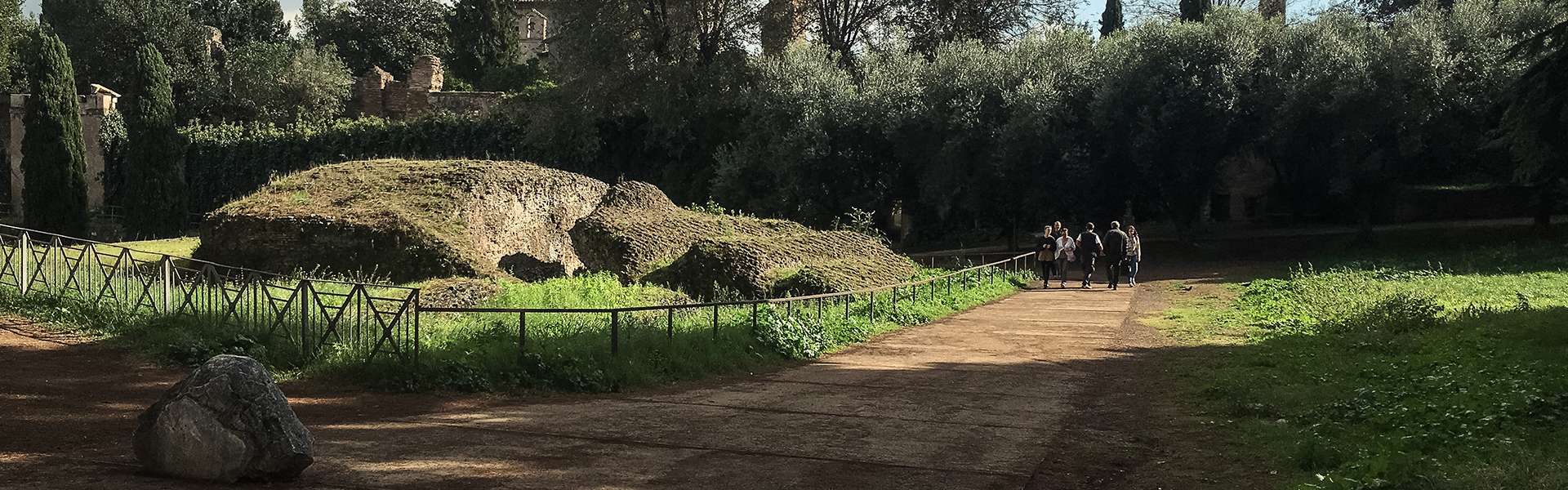
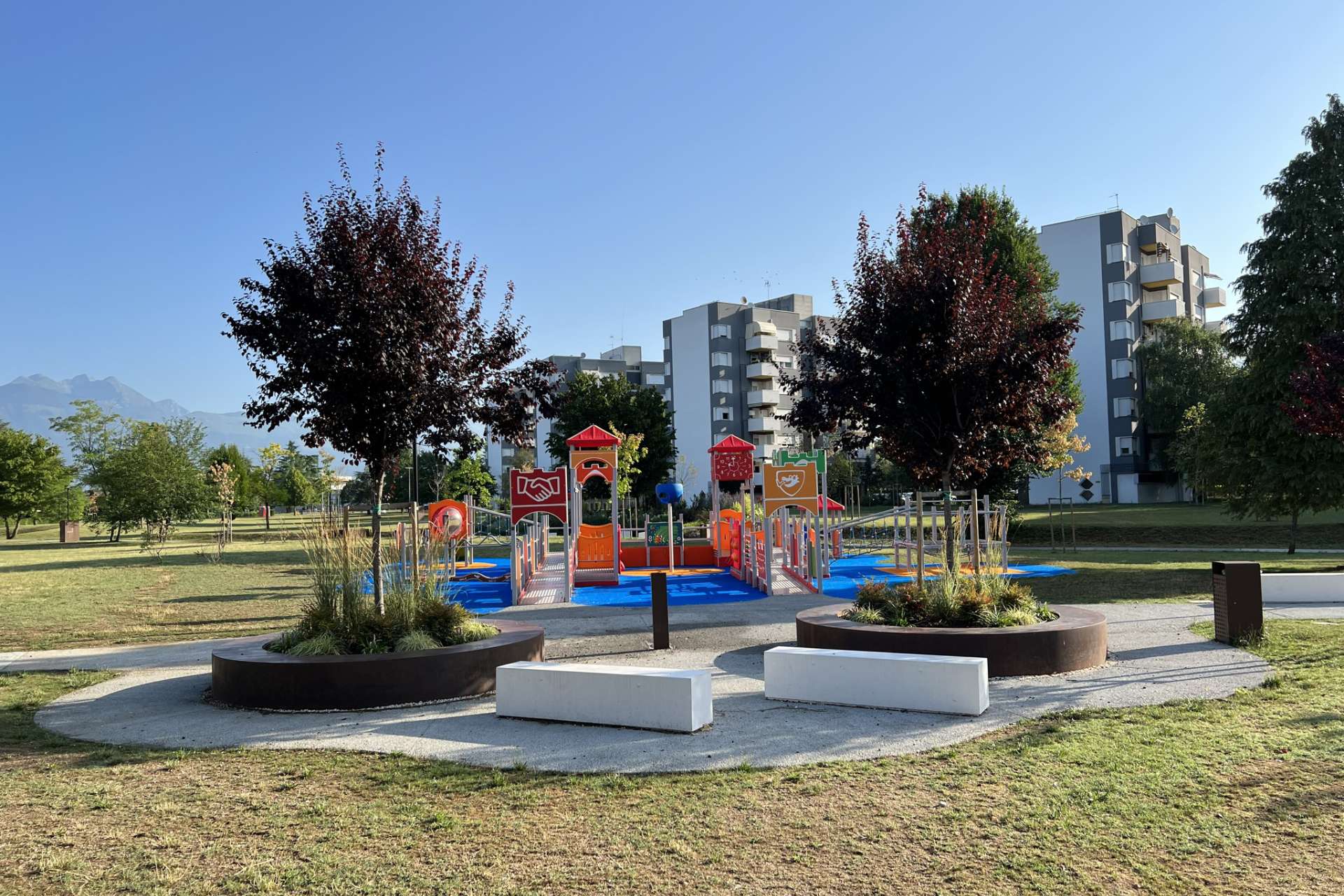
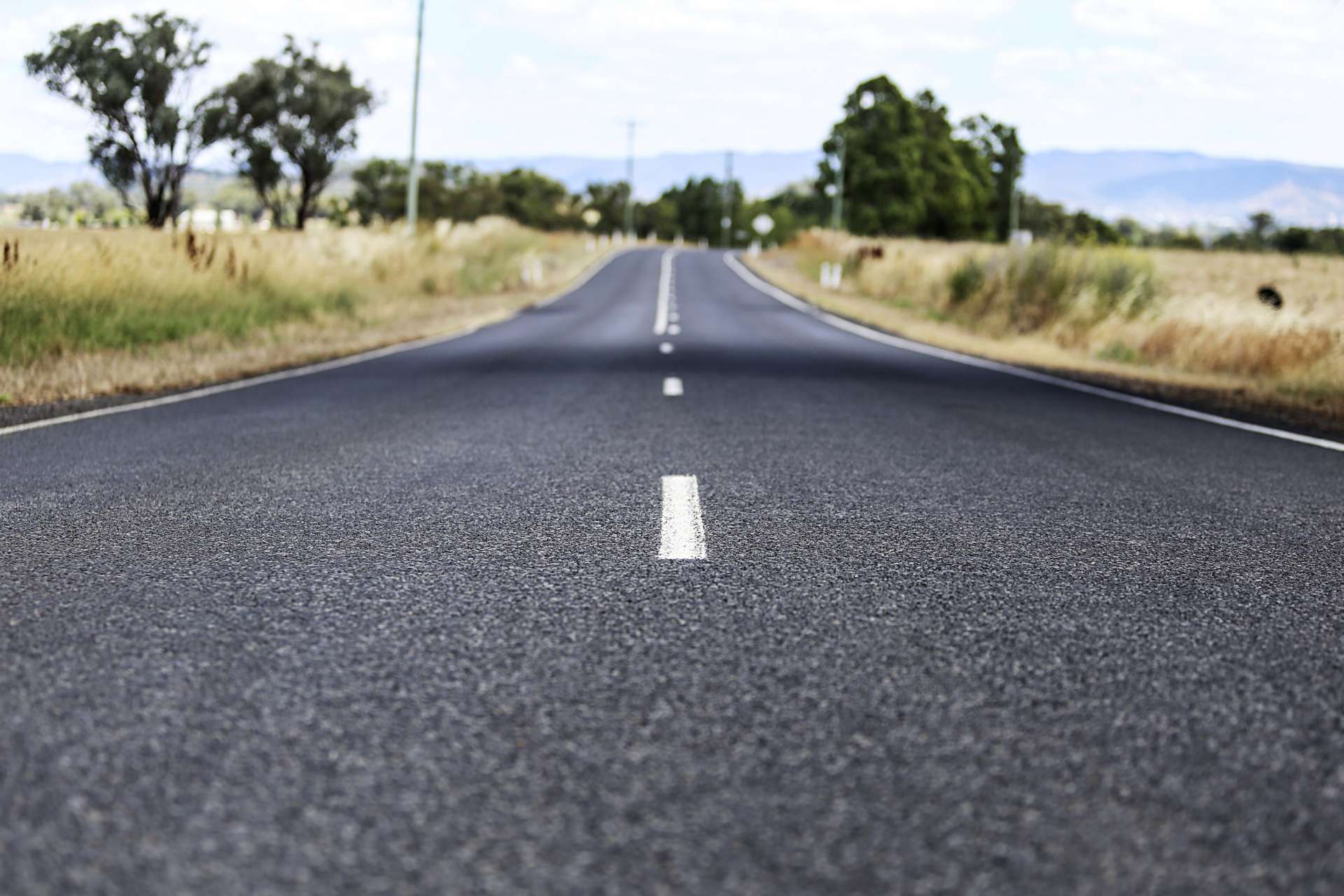
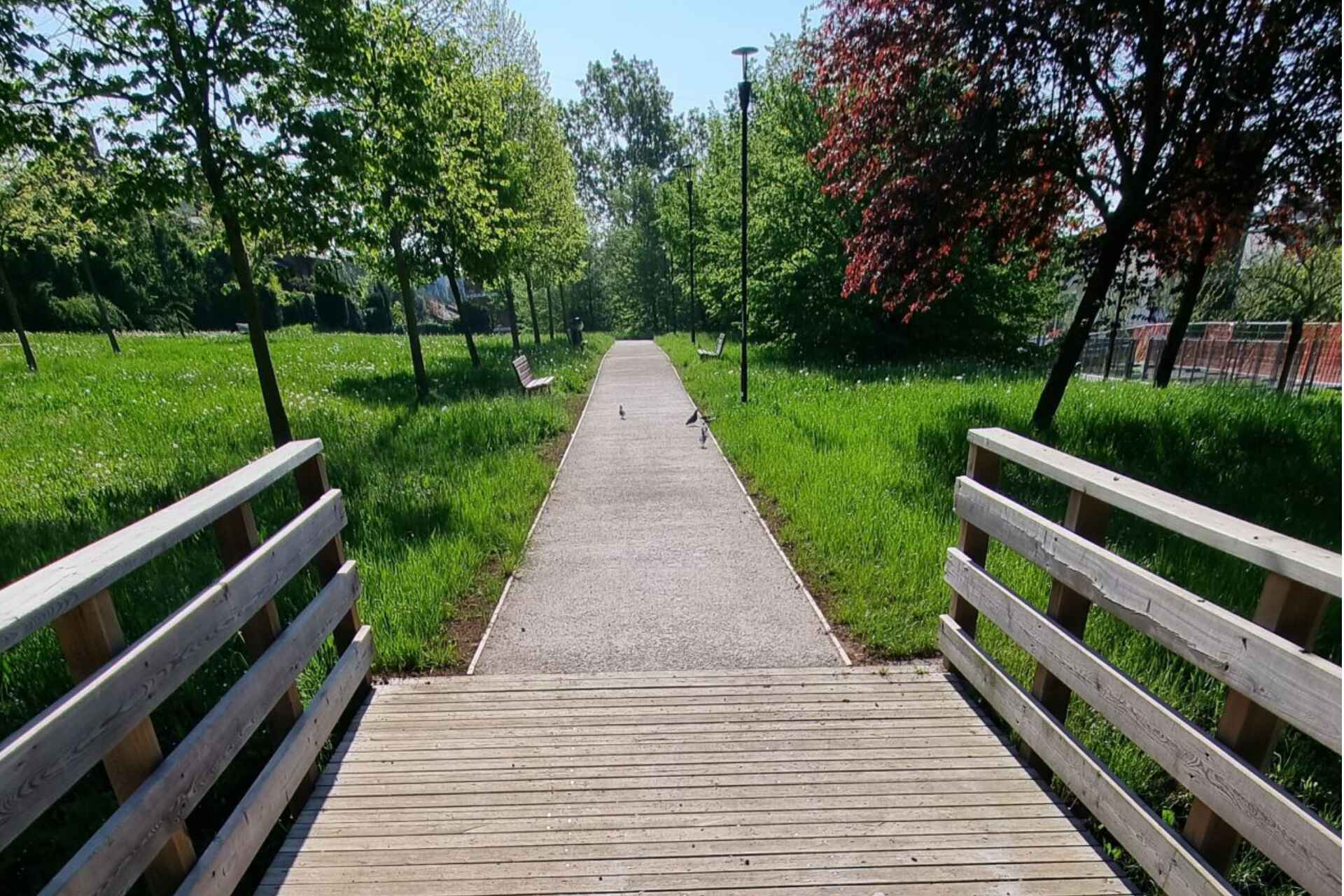
Stabilized earth is ideal for creating country roads, long stretches of cycle paths, rest areas and parking areas serving shopping centers, railways, and public parks, or avenues within protected areas and sites subject to environmental and landscape restrictions. Products like Nature Stabil Road by Terra Solida Italia allow for the rapid creation of permeable and sustainable pavements in any area with minimal investment.
Highly resistant to wear and immediately usable, the stabilized earth surfaces guarantee correct regulation of rainwater and do not release polluting substances into the ground (they are thus 100% recyclable at the end of their life cycle).

When to choose the lawn guard
Do you love English lawns and, despite having to build a driveway to your garden, want to preserve the lawn's continuity at all costs? In this case, your choice must necessarily fall on a lawn protection grid . This technical solution, in fact, allows you to create surfaces capable of withstanding the passage of vehicles of any weight and size.
The Garden Grid grid from Terra Solida Italia is made from materials derived from renewable sources. This further reduces the environmental impact of the project, without compromising the solidity of the driveway.

When to choose architectural concrete
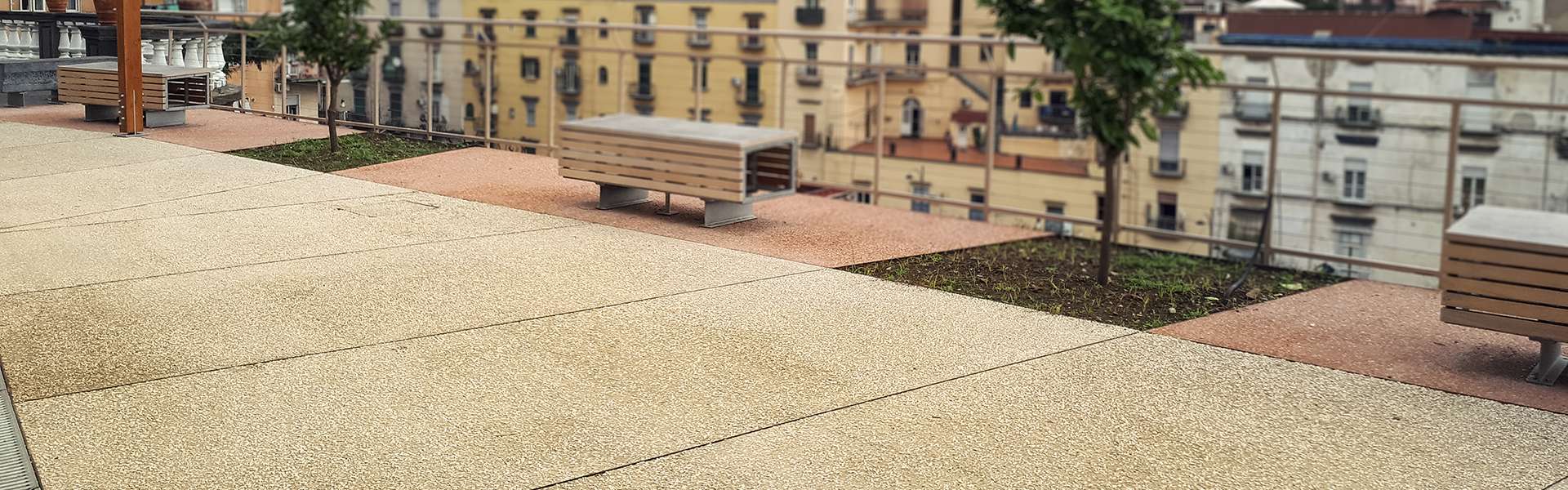
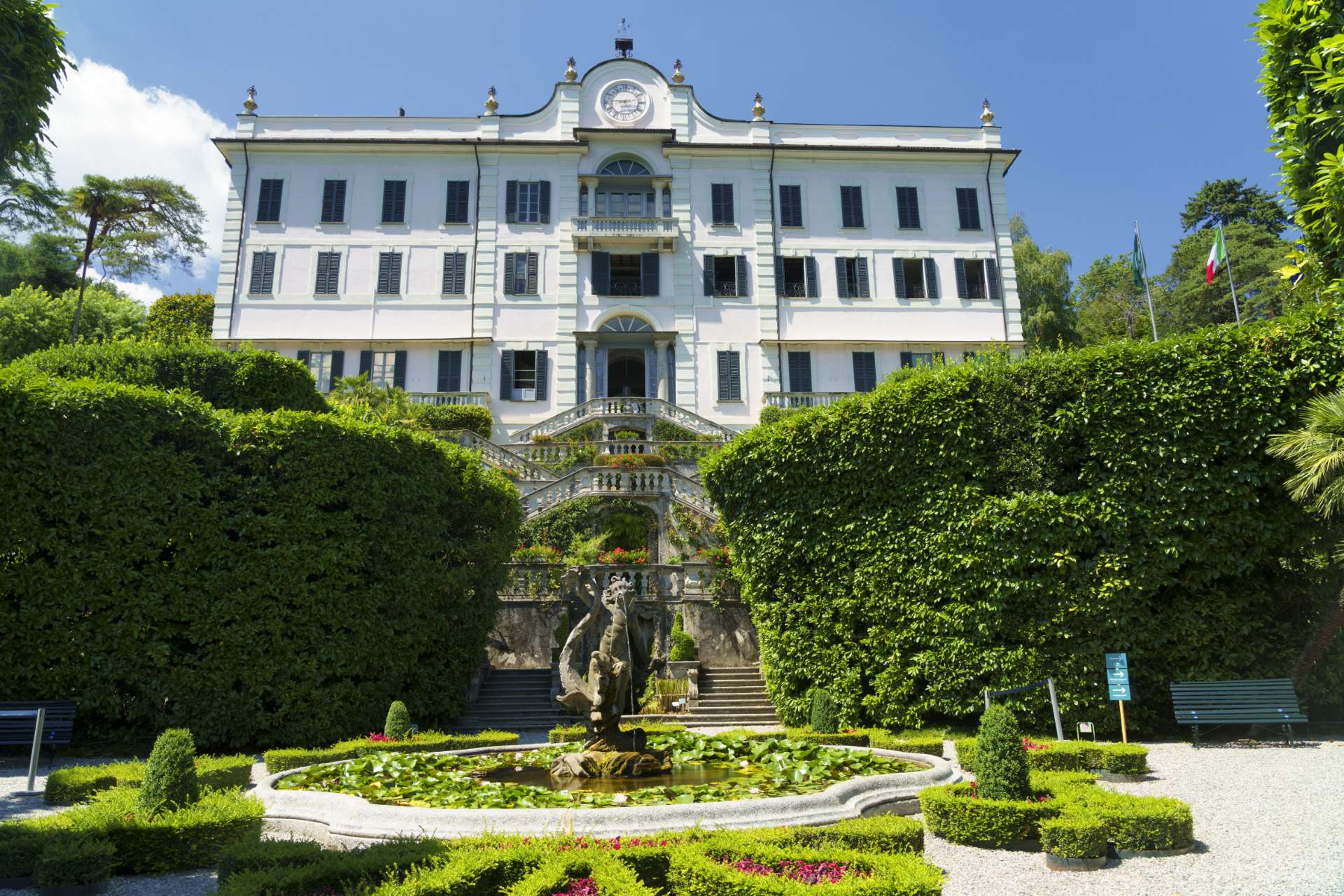
If you need to create highly mechanically resistant pedestrian and driveway paths in your backyard, architectural concrete could be the ideal solution. This material allows you to design and create aesthetically striking surfaces at a very affordable price: perfect for private homes, public swimming pools, or short stretches of cycle paths surrounded by greenery.
Products like those in Terra Solida Italia's Villa line combine style, elegance, and respect for the environment. They blend seamlessly into both urban and open-country environments, allowing for sustainable and beautiful outdoor paving. The use of natural aggregates ensures the product is 100% recyclable once dismantled, while the use of dyes allows for surfaces with a unique and sophisticated color.