















Anyone who has a garden, however small it may be, knows very well how demanding and tiring maintenance of the turf and plants can be. Both in terms of time and on an economic level. Even more so if you have a driveway and a small car park where you can leave your car.
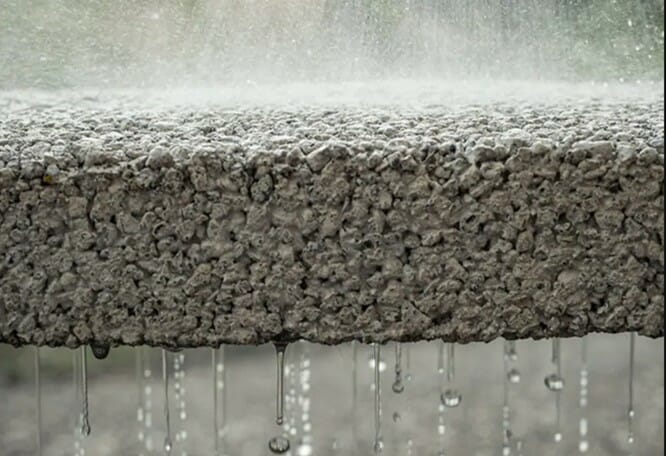
In cases like these, having a draining driveway is almost a must. Otherwise, even the slightest hint of rain (or every time you water the garden) could quickly become a disaster. The risk of the driveway and parking space turning into an unusable quagmire is extremely high.
If you find yourself in this situation and are looking for draining flooring for your home that can help you solve the problem once and for all, you're not alone. Fortunately, the list of materials and techniques that allow you to create a highly permeable driveway surface is long, although there's no "one-size-fits-all" solution. Some, however, are more versatile than others and allow you to create an eco-sustainable floor quickly and at a relatively reasonable cost. Let's take a look at them together.
Draining floors for the home: how to choose
Before delving into the details and analyzing outdoor flooring options and materials, it's important to understand the factors to consider when choosing . That is, how to determine which of the various options available is best for your needs. As mentioned, there's no one-size-fits-all solution.

It will therefore be necessary to carefully evaluate the "state" of your garden before making any decisions. The risk of designing an intervention that is then difficult to implement due to lack of space (or, on the contrary, because it is undersized compared to needs) is always around the corner.
- Lawn extension. Before planning and designing any work, it is essential to accurately calculate the available spaces. A large lawn obviously allows you to carry out more substantial interventions, with the use of heavy vehicles which allow you to speed up installation times. On the contrary, in a smaller lawn it will be appropriate to evaluate more "agile" techniques, which do not necessarily require the use of heavy vehicles for installation;
- Context of the work. Is our house with garden located in the open countryside? Or is it inserted in an urban context where green spaces and urbanized areas coexist at the same time? A question that might seem trivial, but it isn't. In fact, we run the risk of using materials that are poorly suited to the context in which we live, with an aesthetic result that leaves something to be desired at the very least;
- Timing. If you find yourself operating "in emergency" it will be necessary to take into consideration the time necessary to complete the intervention. Not all surfaces are immediately accessible to vehicles and, in some cases, it will be necessary to wait a few days (or more) before being able to drive on the driveway or park the car. If the time available is limited, it will therefore be necessary to opt for solutions that do not require long waits.
Among the various technical solutions and materials that allow for the creation of highly permeable driveways , two are best suited for smaller projects like creating a driveway or transforming a lawn into a garden. Let's explore them together, discover their strengths and weaknesses, and how to choose the material that best suits your needs.
Architectural concrete: what it is, where it is used and advantages
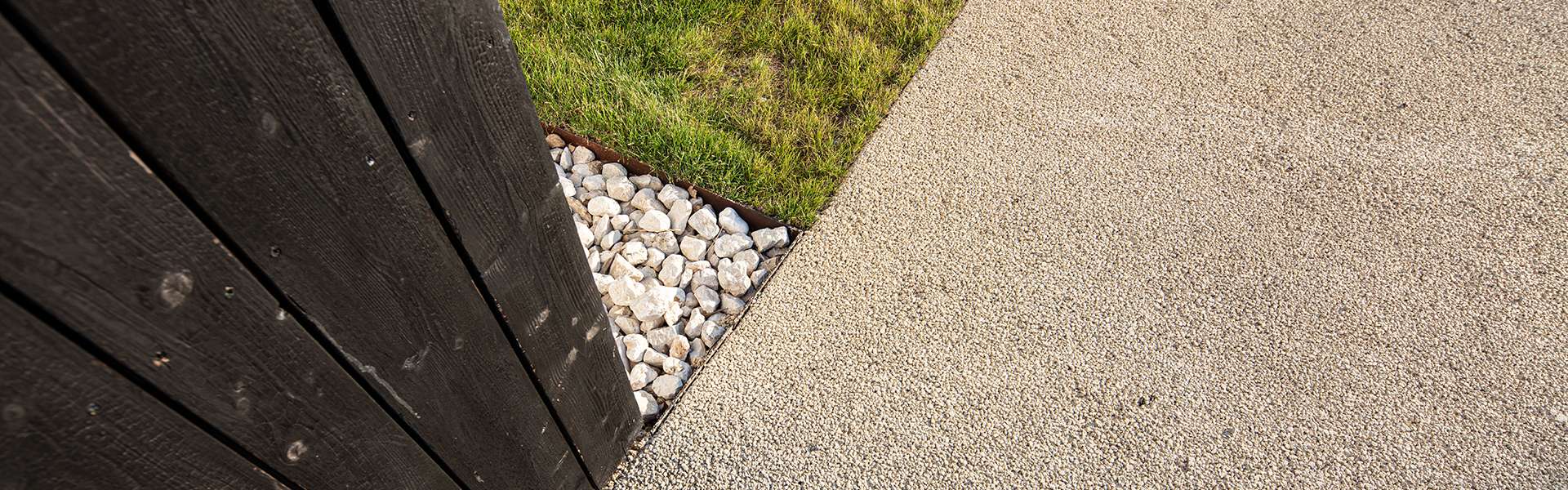
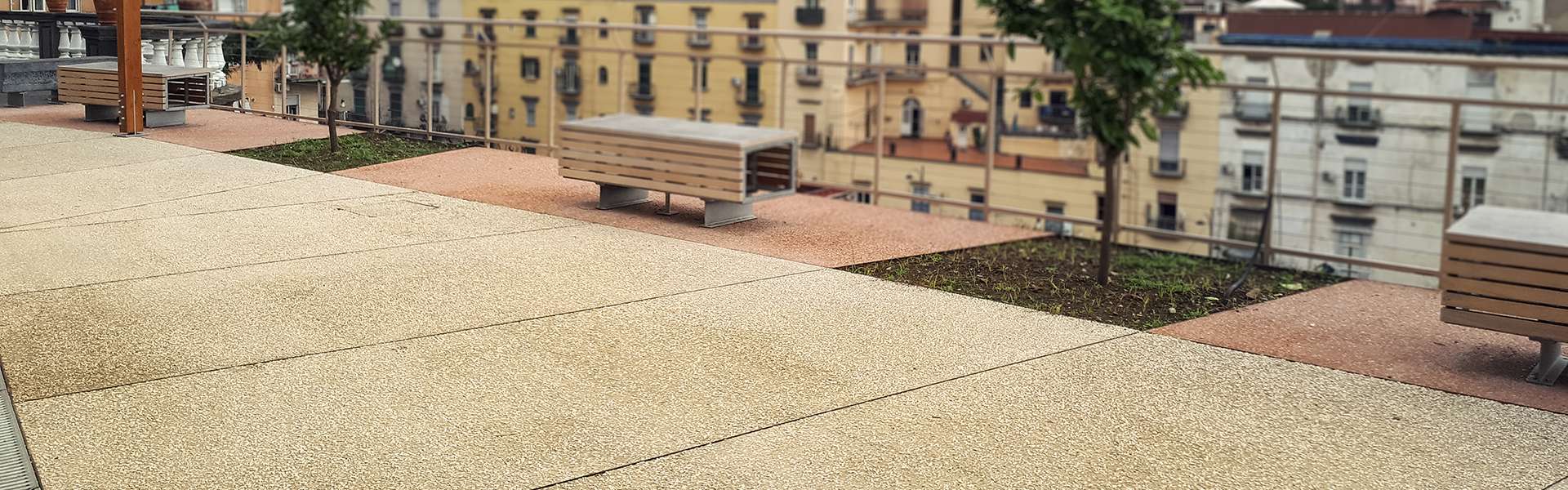
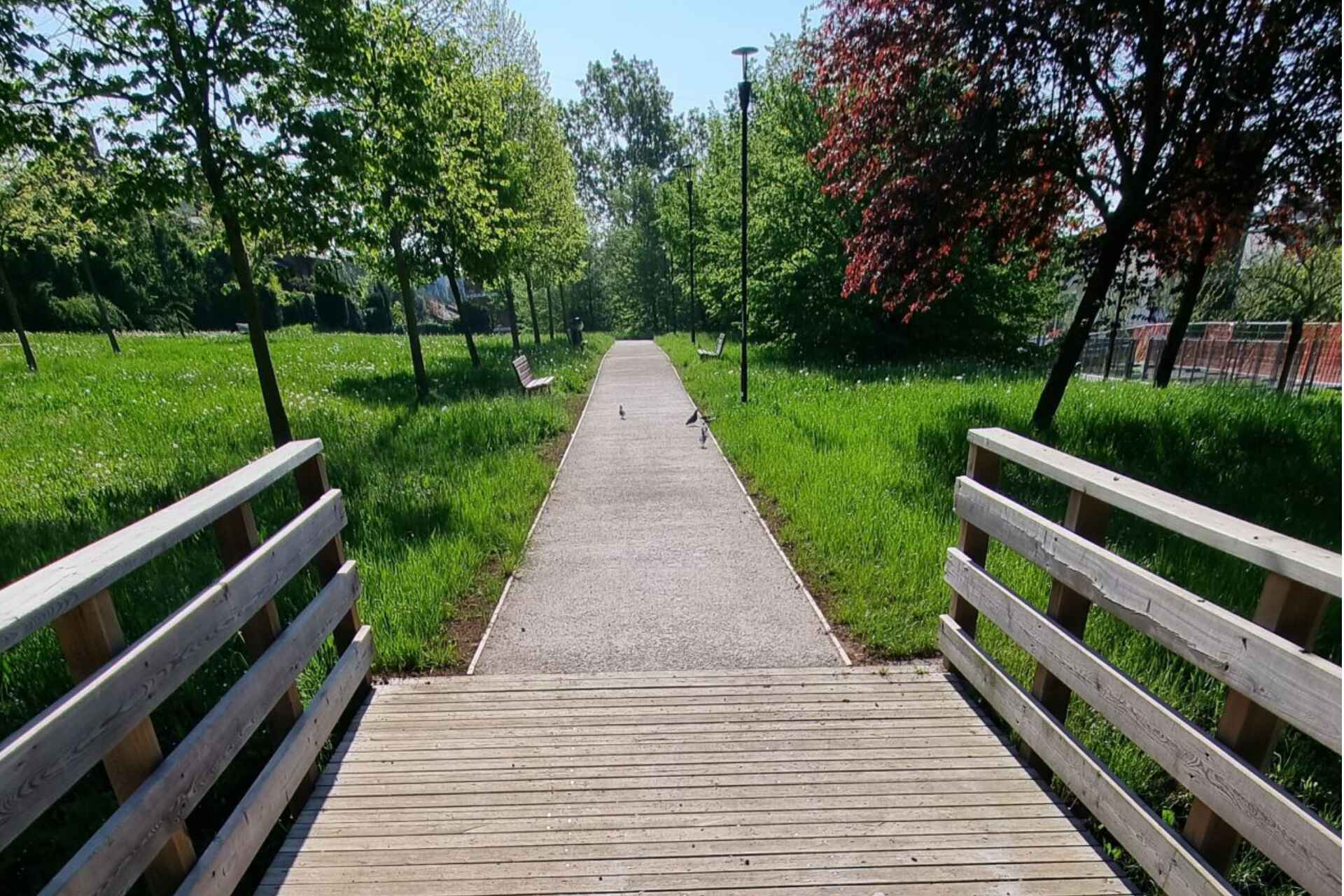
Architectural concrete is an exterior cladding made using aggregates of various materials and sizes . This allows for sophisticated aesthetic effects, both in terms of shape and color: depending on the materials used and their arrangement, the shapes and colors can be customized to your liking.

An extremely versatile surface characterized by a high degree of wear resistance , architectural concrete is perfectly suited for use in both urban and rural contexts. The ability to customize the color allows the driveway to blend in even within nature reserves, protected areas, and restricted zones.
Architectural concrete requires no special work . It can be laid directly over existing surfaces, allowing you to create a new paving just a few centimeters thick in a short amount of time. Products like Villa Fine Floor by Terra Solida Italia can be used to create outdoor paving in your garden at a reasonable cost and with minimal environmental impact.
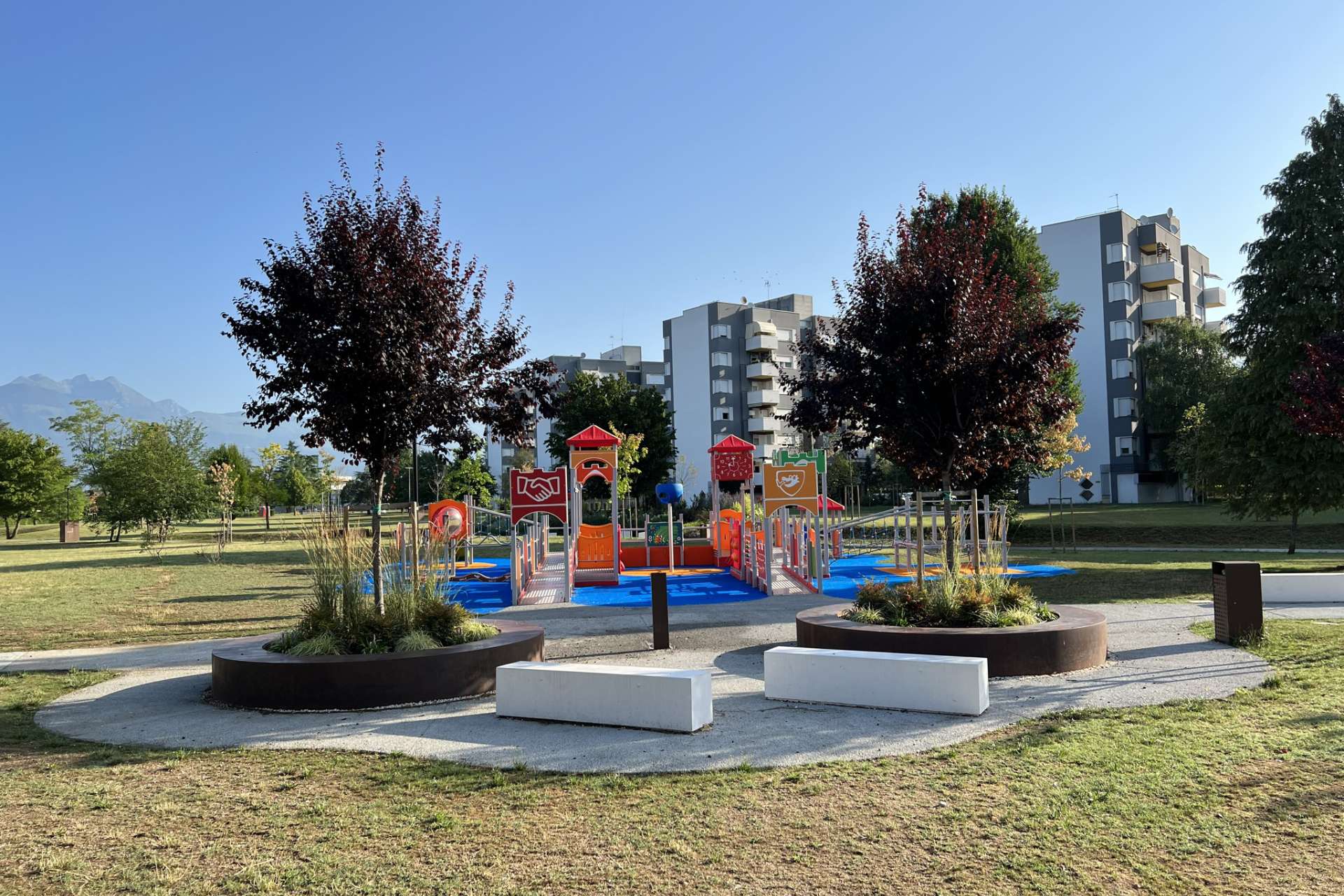
It is therefore an outdoor covering that can be used to create paths within large private gardens , or to transform a lawn into a parking lot without worrying about water stagnating on the surface.
Reinforced lawn: what it is, where it is used and advantages
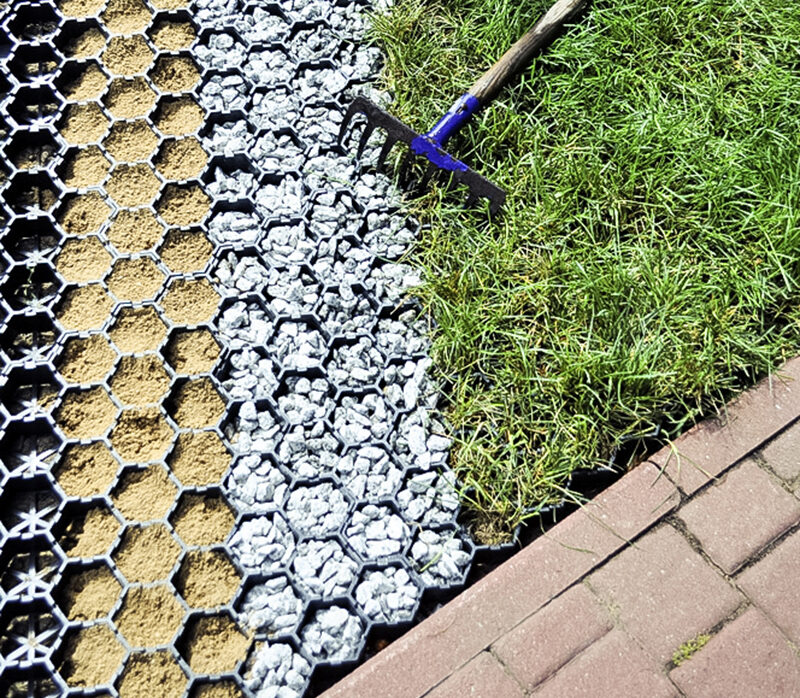
If you want to transform a lawn into a parking lot while still preserving the integrity of the turf, the ideal solution is a reinforced lawn . Using hexagonal grids, you can create a draining surface for your home that keeps the turf intact.
Installing reinforced turf doesn't require extensive work. Simply dig a trench about 15-20 centimeters deep, then fill it partially with a rock base to ensure compactness and permeability, and partially with the honeycomb structure that provides solidity to the driveway. This structure is then filled with soil, allowing for planting of your preferred grass species.

It's easy to see the advantages this solution offers. Creating draining outdoor flooring using products like Garden Grid by Terra Solida Italia creates a solid and robust surface with a high degree of permeability. The driveway surface can thus be used both for vehicle traffic and for parking.
Lawn protection grid installation takes very little time , and within 2-3 weeks of completion, the lawn will be growing luxuriantly, ensuring a pleasing aesthetic result. These features make lawn protection grid ideal for small- to medium-scale projects in rural and naturalistic settings, where maintaining the lawn's intact continuity is an essential aspect.