














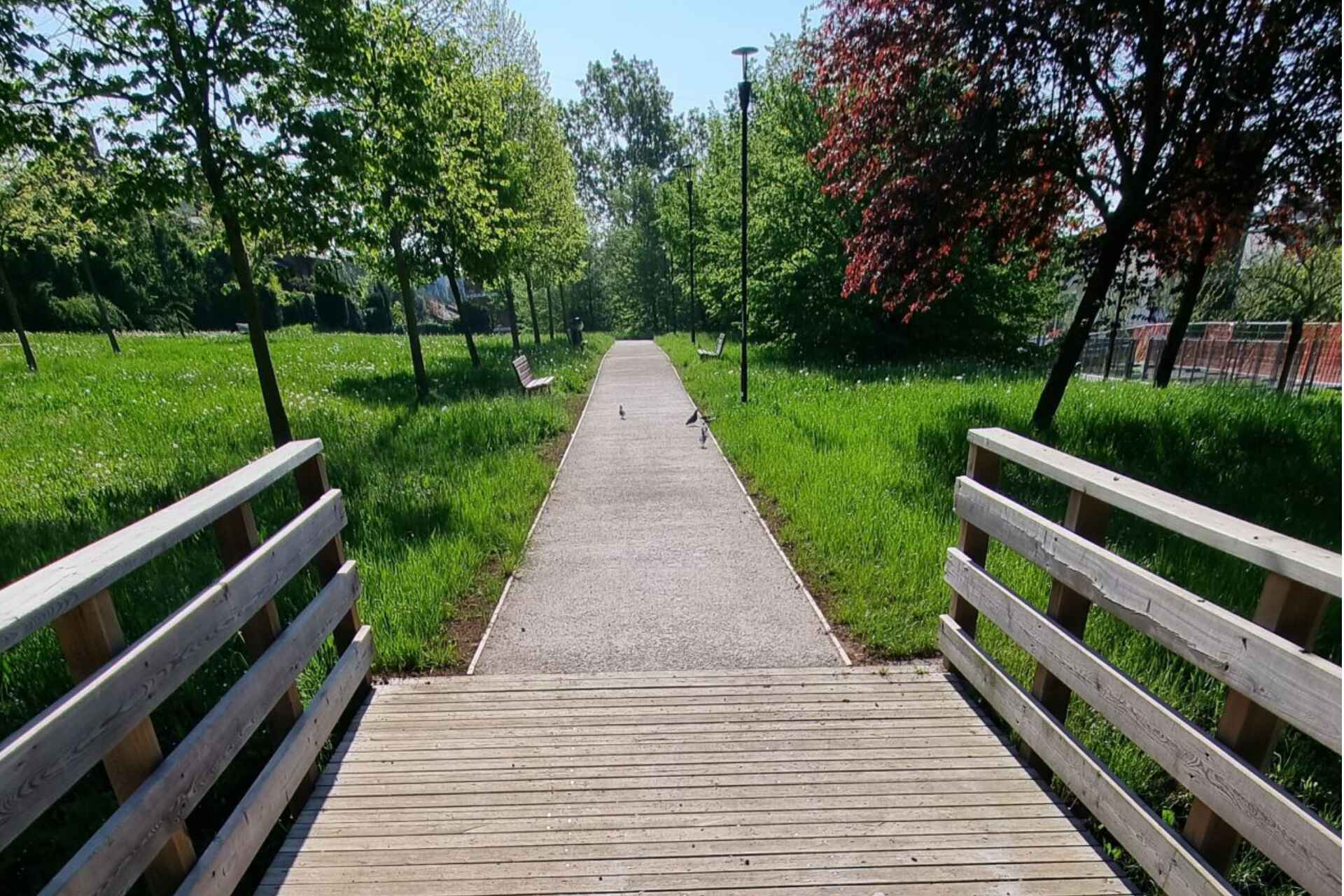




Today, there's much talk about sustainable mobility , but very rarely is there any mention of the routes on which humans should travel without impacting (or with little impact) the planet. We discuss pedestrian streets, cycle paths, e-mobility, greenways , and nature in cities, but never mention the routes along which this new concept of mobility should be implemented. Yet, upon closer inspection, public roads and eco-sustainability are two sides of the same coin, as well as two parallel tracks running toward the same goal: sustainable development and carbon neutrality , which is essential to combat the ongoing climate crisis.
Public roads and eco-sustainability: two concepts linked to each other
To better understand how public transport and environmental sustainability are intertwined, it's helpful to take a step back and understand what experts believe is the best strategy to combat global warming and the crisis we're all already experiencing. This lies hidden in the words " mitigation " and " adaptation ," the most current responses to concrete action against climate change.
Mitigation and adaptation are two sides of the same coin, which identify both the actions capable of intervening on the causes of the problem and the solutions capable of mitigating - already today - its negative effects.
What does all this have to do with public roads? Simple: if mitigating the effects of the climate crisis requires reducing the amount of greenhouse gases emitted (including) by the transport sector, on the other hand, we need to adapt to the ongoing effects of climate change by modifying our road system and building natural roads which, as we'll see (in addition to their excellent technical performance), bring with them numerous environmental benefits.

Because natural roads are the future
What's the secret of natural roads , and why can they be considered one of the many ways we can adapt to a changing climate? The reasons are countless and closely interconnected. We've summarized them below.
- Natural roads respect the terrain
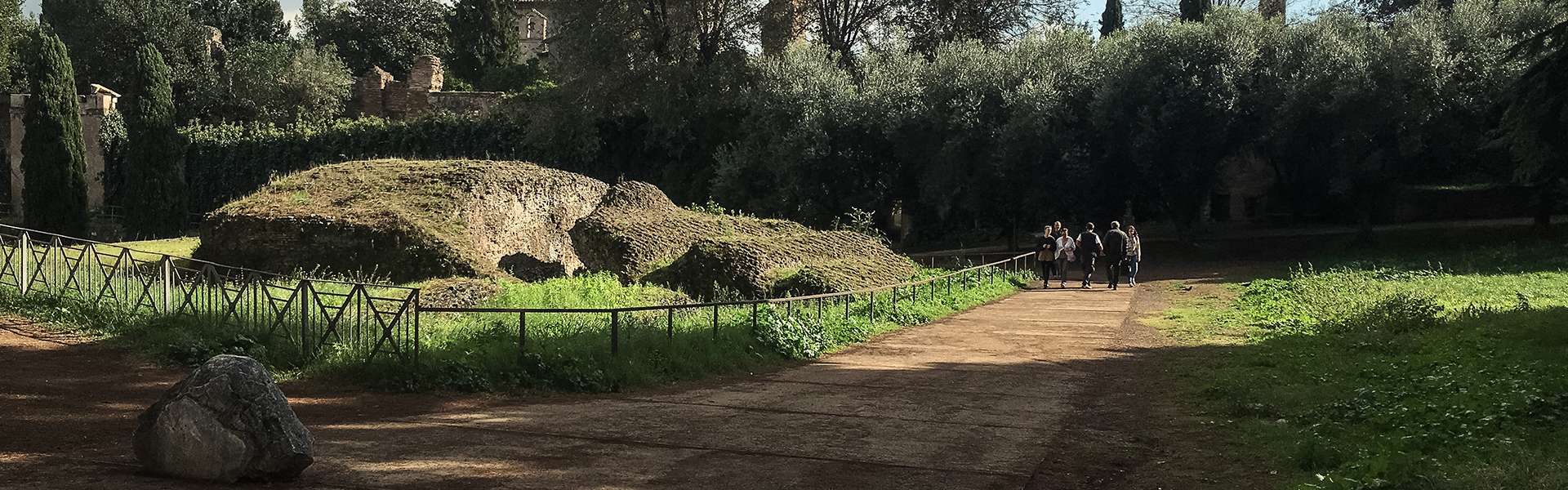
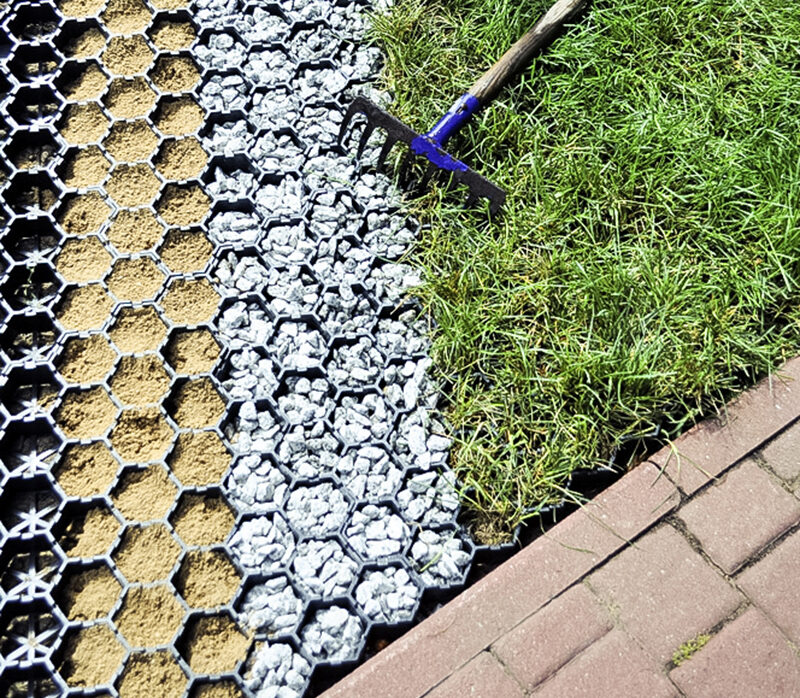
Natural and environmentally friendly roads do not distort the topsoil at all, despite being in contact with it and acting as a "cover". Permeable and draining by definition, they allow water to infiltrate into the ground avoiding runoff.
- Natural roads respect the principle of hydraulic invariance
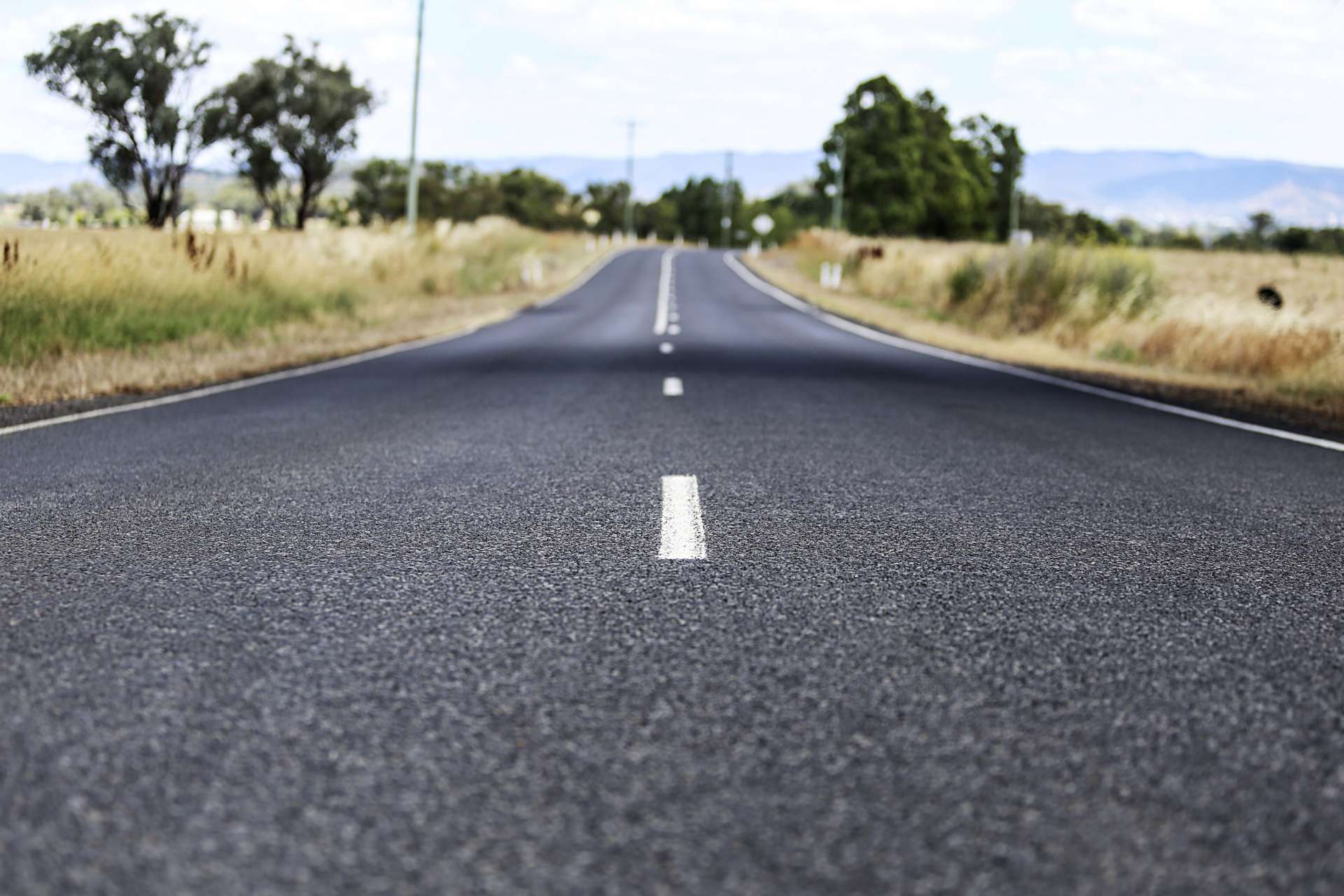
Flooding is now a frequent occurrence, especially in cities. This is partly because public roads, usually made of asphalt, are impermeable or poorly permeable, preventing water from infiltrating naturally into the ground. Natural roads, permeable and draining, respect the principle of hydraulic invariance and therefore facilitate the dispersion of excess water.
- Natural roads combat heat islands
In summer, cities experience the heat island phenomenon, a particular atmospheric condition that creates much higher temperatures in urban areas than in rural areas and suburbs. This is primarily due to the lack of vegetation, but also to the widespread presence of dark, paved roads, which absorb heat and then release it back into the environment after sunset. Natural roads, on the other hand, are generally lighter in color and can effectively be considered cool pavement . They reflect light without absorbing it, thus helping to keep our cities cooler.
- Natural roads are recyclable
Nothing is thrown away, and nothing is considered waste or, worse, special waste. Natural roads are fully integrated into the concept of the circular economy , according to which even waste can be given a new lease of life, becoming, once disposed of, a raw material destined for other uses. The pavement of a natural road is completely recyclable and, once decommissioned, can be returned to the production cycle as recycled stabilized material.

Public roads and eco-sustainability meet in natural roads
This concise explanation helps us understand why natural, eco-friendly, and recyclable roads today represent the link between public roads and eco-sustainability . Technological innovation has enabled significant advances in infrastructure, and materials technology has done the rest: today, it is possible to create high-performance, natural roads that respect the environment while simultaneously meeting human needs for travel and mobility.