















The waves crashing on the shore, the salt air seeping into the walls of houses and streets, the wind carrying the scent of the sea: a breathtaking landscape, but also a challenge to everything built by the hand of man. The sea has always fascinated and frightened at the same time, precisely because of its force and its ability to consume buildings and materials. To withstand the harsh weather of the sea, it is necessary to choose resistant and long-lasting materials , capable of withstanding the force of nature without diminishing its beauty and charm.
In this article, we will explore the best flooring for marine areas , to help create a safe, functional, environmentally friendly and aesthetically pleasing environment.

The challenges of paving for marine areas
Marine flooring is subjected to unique environmental stresses : salt water, salinity, wind, and waves—all of which can accelerate corrosion, cause mechanical damage, and oxidation. Choosing the right material is essential to ensure the durability and safety of marine flooring in these unique conditions.
Generally, the best flooring for marine areas must meet several key requirements. First, they must be resistant to corrosion, abrasion, and wear to ensure long life and minimal maintenance. Furthermore, the surface must be non-slip and stable, to prevent falls or accidents, and easy to keep clean to ensure a safe and healthy environment. Aesthetic and environmental considerations must also not be overlooked: these are delicate and vulnerable sites, where the balance between nature and man-made elements must be respected. Therefore, it will be necessary to choose environmentally friendly , long-lasting, and high-performance options.

The choice of ecological flooring for marine areas
Ecological flooring has numerous advantages for marine areas. Let's see some of them.
Reduction of environmental impact
Pavements made from natural and local materials require fewer resources and reduce environmental impact compared to materials like asphalt or concrete. Furthermore, the permeability of the soil in natural roads allows water to infiltrate and recharge the subsoil, reducing the risk of flooding and soil erosion.
Greater security
In coastal areas, natural pavements can offer greater safety as they provide a more stable surface. Furthermore, natural materials efficiently absorb rain, preventing puddles and reducing the risk of accidents.
Aesthetics and integration with the landscape
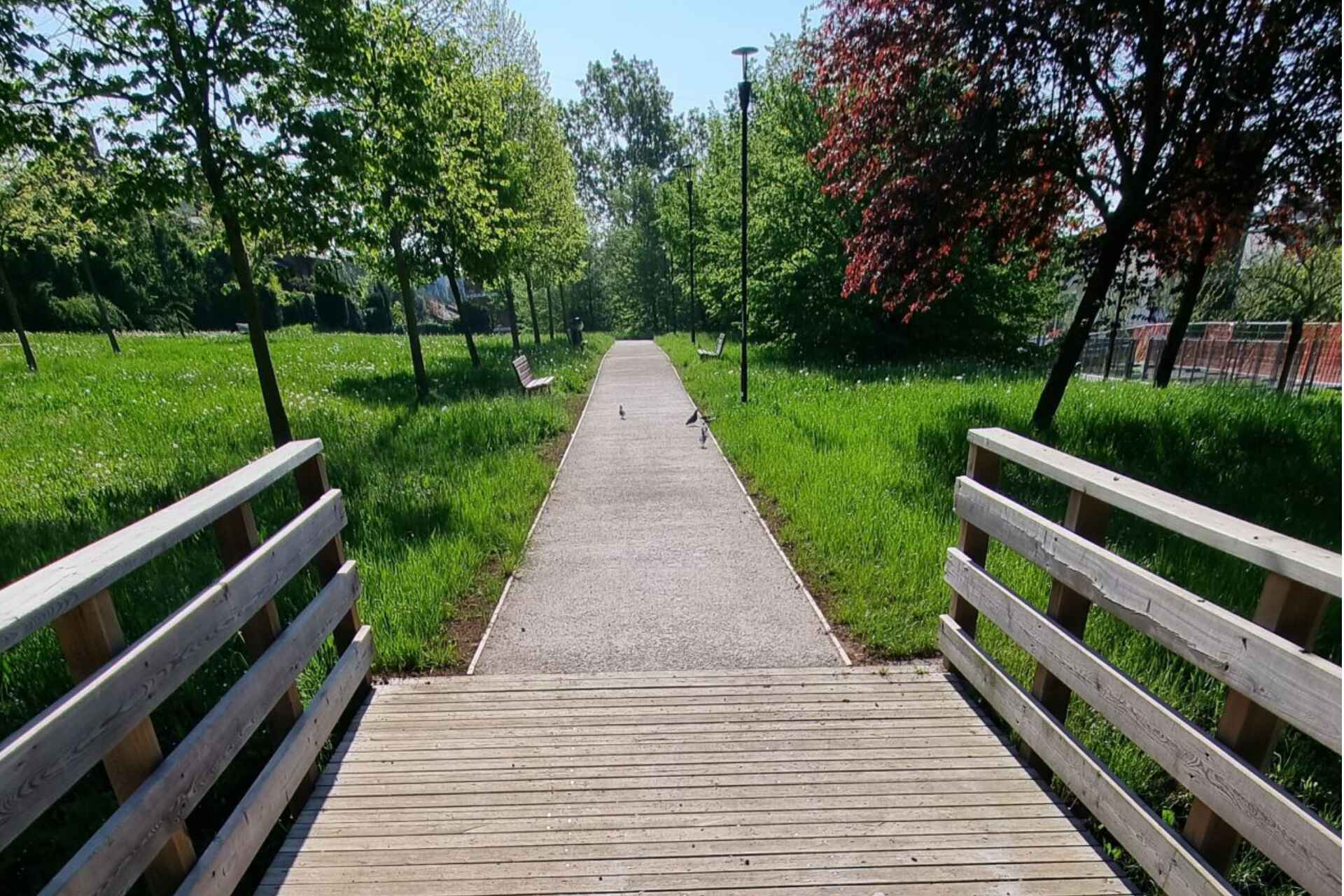
Eco-friendly flooring integrates seamlessly with the surrounding landscape, blending harmoniously with nature. The use of natural materials allows for unique designs that enhance the beauty of the landscape and reflect its character.
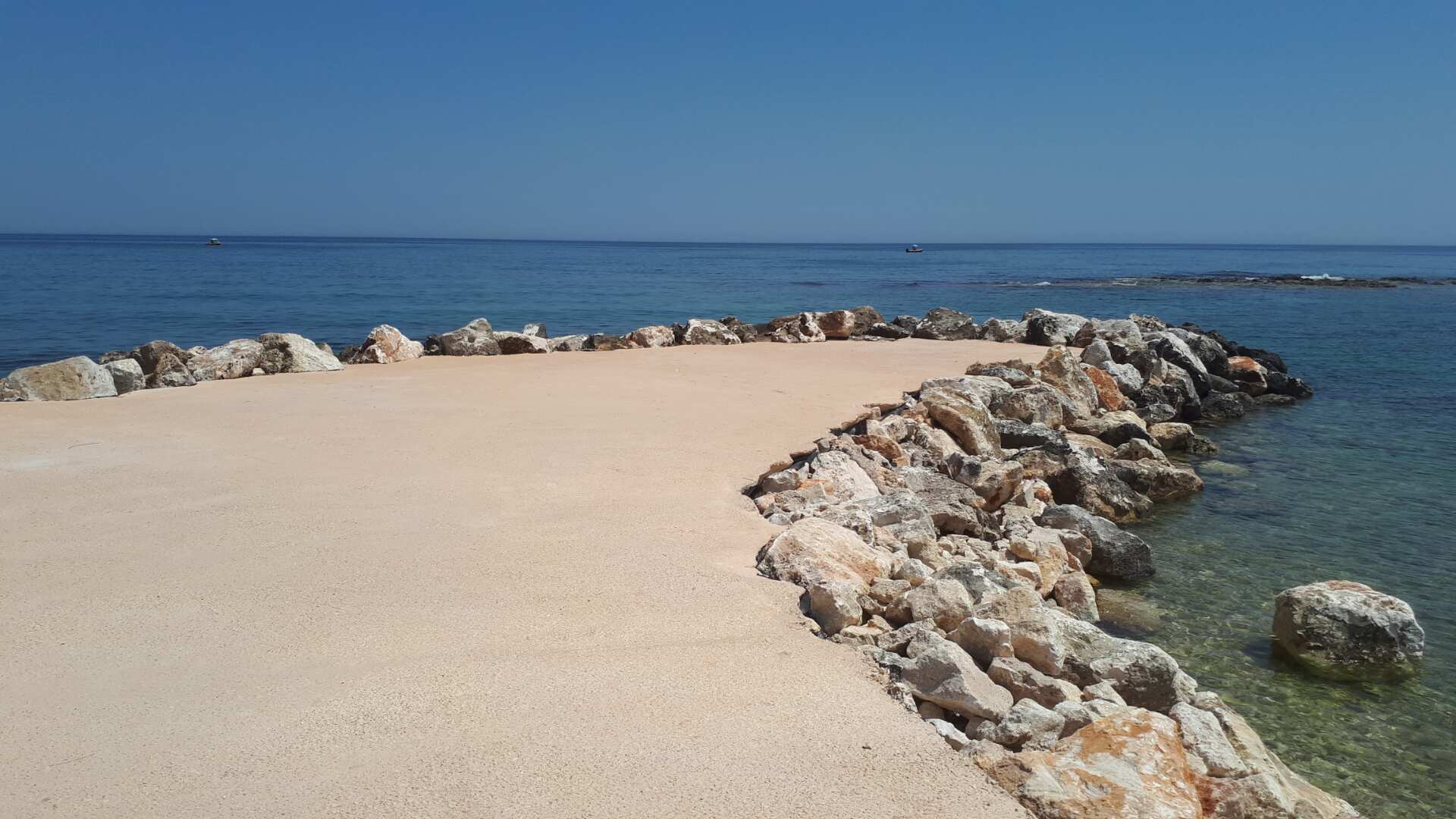
Terra Solida's proposal for marine areas
Terra Solida boasts many years of experience in the creation of eco-friendly pavements and natural roads. Natural environments , such as marine areas, are one of the areas where Terra Solida's professionalism shines brightest.
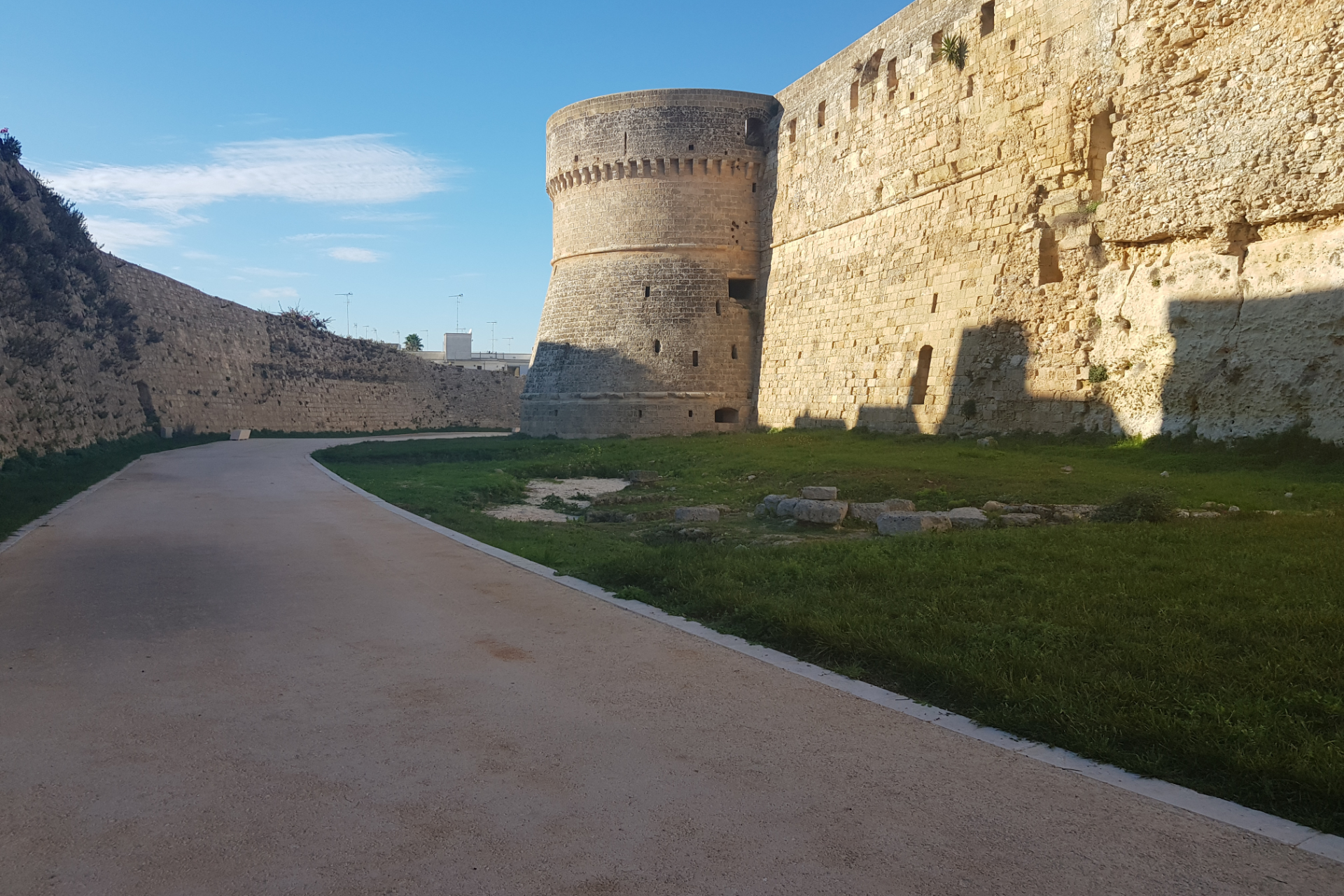
A perfect example is the project completed in Specchiolla (BR): an elegant paving solution on the breakwater in a seaside resort of exceptional natural and landscape value, located along the Brindisi coast. The paving was created using indigenous, reddish, limestone-based stabilized granular mixes and an eco-friendly binder and stabilizer. This paving solution was specifically designed to blend into the landscape and withstand the harsh weather conditions of storm surges. Nature Premix, an eco-friendly binder and stabilizer for granular mixes with high mechanical performance, and Stabilcure, a curing agent , were used to create the paths.
Terra Solida represents a perfect example of how human work can integrate harmoniously into the surrounding environment, creating durable and functional infrastructures without compromising the beauty of marine areas.