








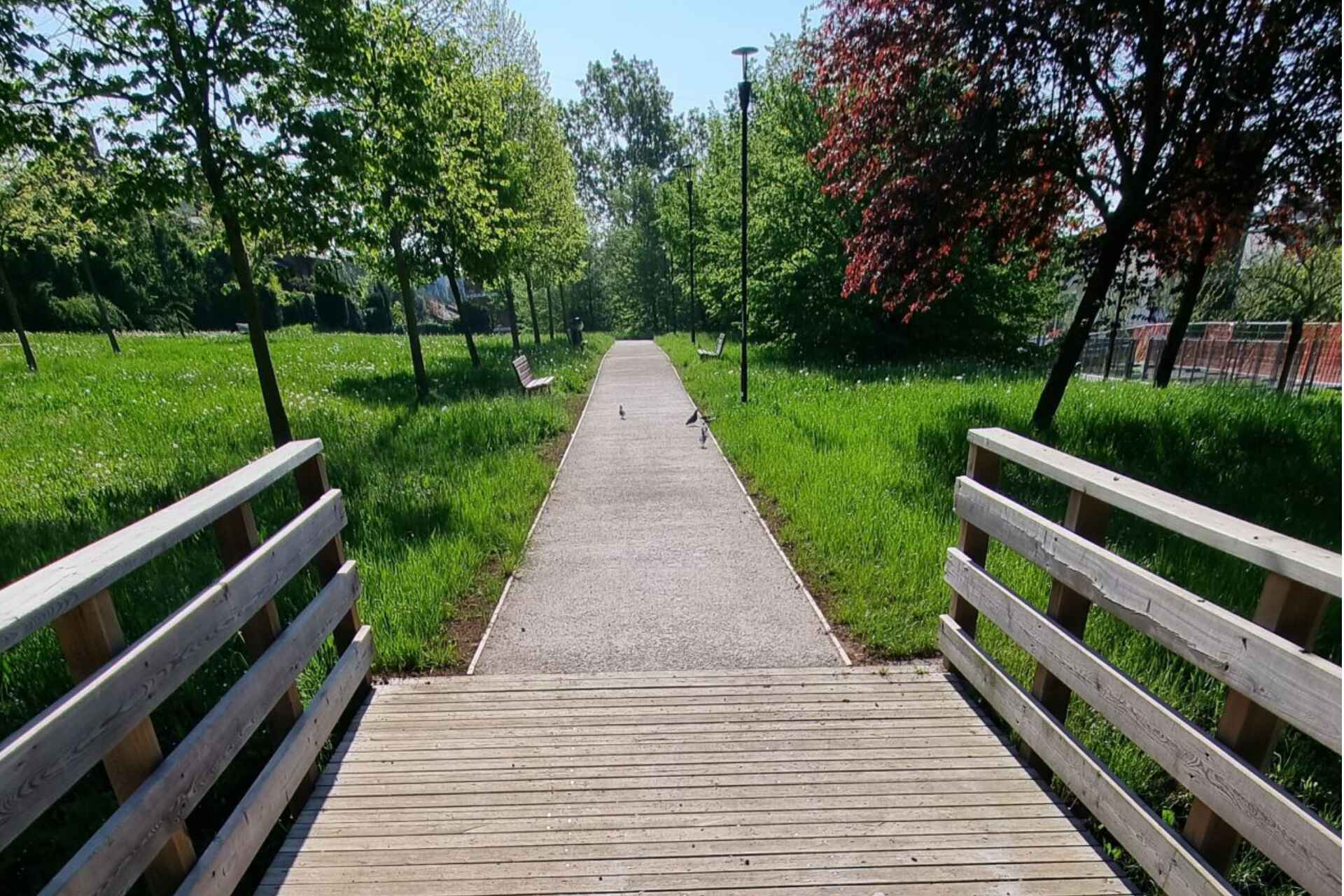



Those who don't work in the construction industry have probably never heard of it. Yet each of us, at least once in our lives, has walked on a road surface made from quarry stabilized aggregate , also known as stabilized granular mix , natural quarry mix , or quarry tout venant . Understanding what it is will help us appreciate how essential this material is, especially when building green and environmentally friendly roads , whether private or public.
So let's immediately discover what quarry stabilized concrete is , its possible uses , and, above all, why it's a leading material in the green and sustainable construction sector . This guide aims to lead you through the discovery of an ancient material that has always been present in nature, and which today also exists in a recycled and eco-friendly version.
What is quarry stabilized
Before exploring the uses of quarry stabilized concrete and its advantages in road surface construction, we need to understand what it is. Let's start with its definition : quarry stabilized concrete is a type of aggregate —of varying grain sizes—obtained by crushing "mixed nature" or "mixed rock," usually from alluvial gravel of calcareous origin. Recycled stabilized concrete also exists , obtained from non-calcareous materials derived from the demolition of various types of buildings.
Stabilized earth therefore falls within the broad group of aggregates (obviously there are different types), which represent the actual backbone of composite materials , among which we mention cement conglomerates, mortars and plasters and, obviously, also the Stabilized Earth of Terra Solida , which uses certified eco-friendly stabilizers and binders.
How do you get it
As you might imagine, quarry stabilized stone is obtained by crushing and then screening natural or mixed rock. Typically, if unwashed, its composition is both earthy and sandy, which allows for excellent adhesion to the ground.
The crushing of rocks then gives rise to different grain sizes : those of quarry stabilized concrete are usually between 0-25 mm and 0-40 mm . The smallest grain size is the one preferred for the surface layers of the road base, because it allows the latter to have a more uniform cohesion.

Road foundations with quarry stabilisers: the advantages
After a necessary introduction for the layman, we can finally move on to the focus of our guide: the advantages of using quarry stabilized concrete in road subbases , especially those that will accommodate green roads in terms of the materials used for their construction. In reality, this is not an uncommon choice; on the contrary, the compositional nature of the material makes it extremely useful in the construction of various types of road surfaces.
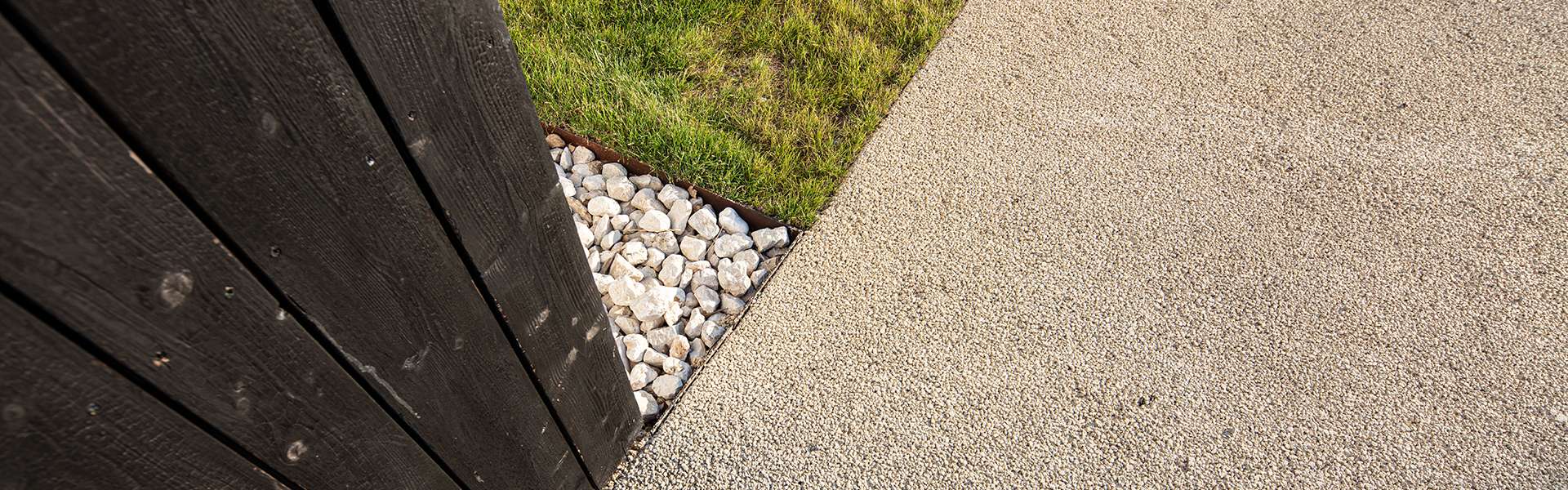
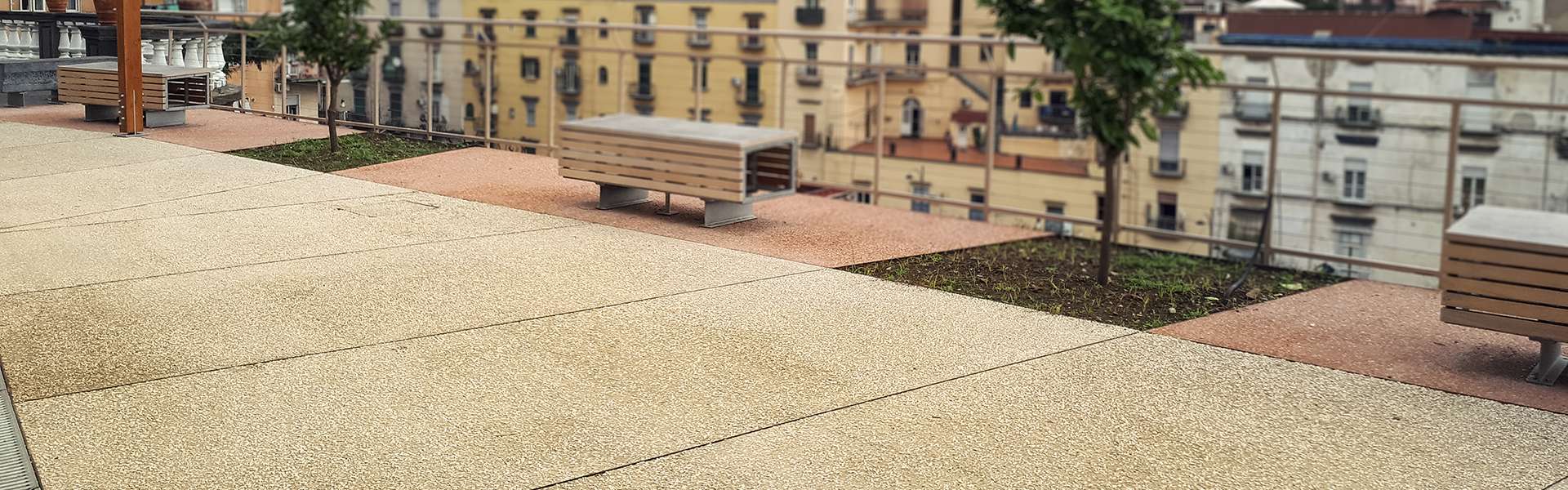
Stabilized concrete, in fact, has enviable compactness characteristics and possesses high chemical-physical resistance: these peculiarities, together with the high degree of load-bearing capacity that distinguishes it, make this inert material the perfect support for the actual flooring, represented by both classic asphalt coverings and ecological and driveway floorings , such as those created by Terra Solida.
Why is it eco-friendly?
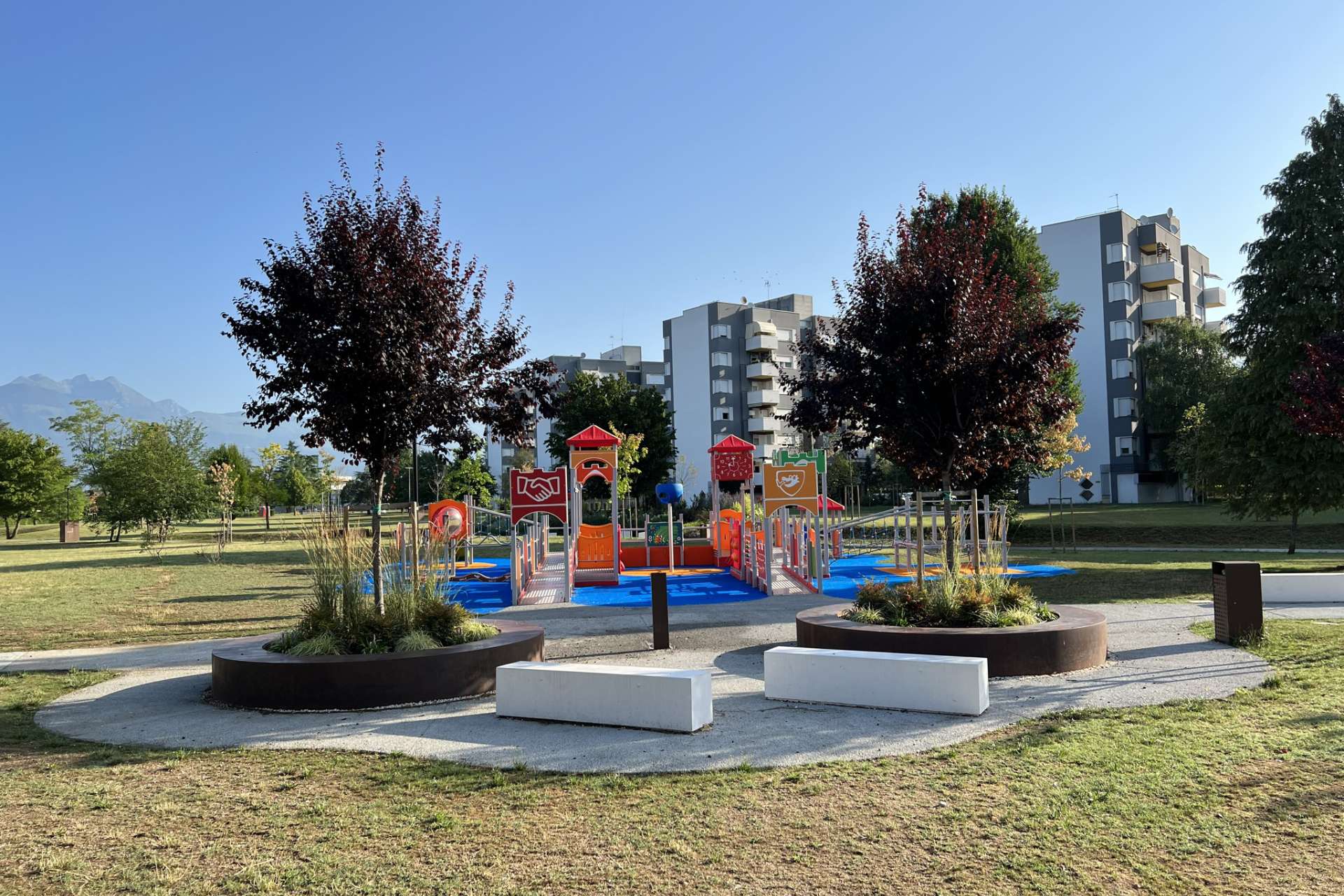
Quarry stabilized concrete , when derived from a natural mix or rock mix, is a 100% natural material . For this reason, it can be used in any environment to create eco-friendly roadbeds and surfaces that do not pollute and integrate perfectly into the surrounding environment.
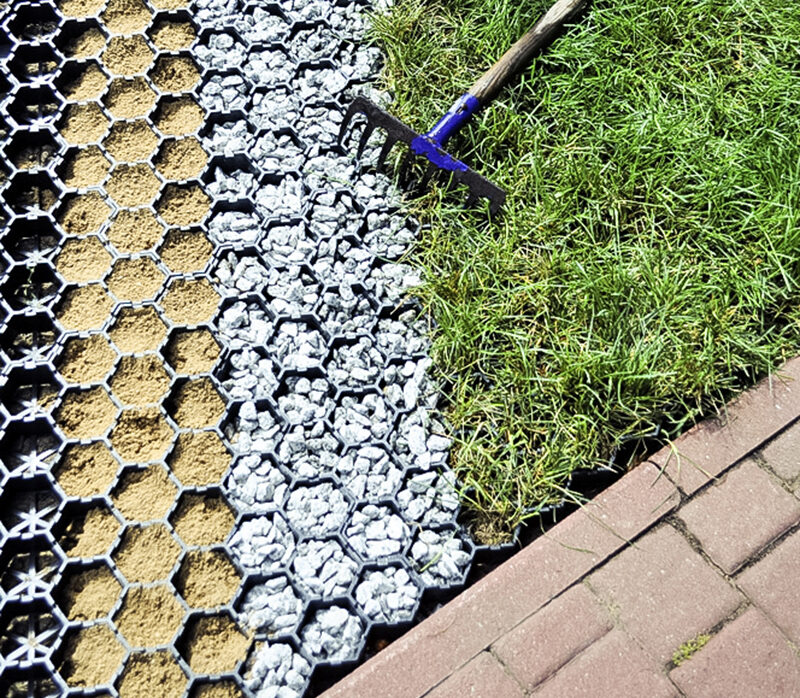
For example, it is used as a drainage base for so-called reinforced turf , which, among other things, does not interrupt the continuity of the grassy surface. The eco-friendliness of the aggregate also fits perfectly with Terra Solida's philosophy and mission, and for this reason, it is also used to create roads made with Stabilized Earth , both for the roadbed and the surface itself.
Eco-friendly and environmentally friendly by nature , quarry stabilized concrete is the foundation on which all our roads are built. Given its natural origin , it could become the starting point for a true green road revolution that, abandoning bitumen and asphalt, can rely on new sustainable solutions that have the least possible impact on the environment and the ecosystem. In this case, then, we enter the virtuous cycle of the circular economy . When used with other sustainable and environmentally friendly materials, quarry stabilized concrete – if disposed of – does not become special waste, but can actually be recycled and reused as an inert material.
Pingback: Natural parks and paving: the most eco-friendly choices
Hello, for a project of a public body, in the province of La Spezia, I have to plan the resurfacing of a stretch of path with a stabilized quarry bottom. Since the stretch is subject to the daily passage of some vehicles and also to runoff phenomena, I was looking for a solution to create a stabilized bottom but, even if draining, well-cohesive. Many years ago I had made one with the addition of a product that bound the inert well. Unfortunately many years have passed and I no longer remember.
Do you have a solution to propose?
Good morning Elisabetta and thank you for asking us for a solution for the resurfacing of a path with stabilized quarry bottom. We have a right solution for every need and we are happy to answer you also for the calculation via email, you will receive our contact shortly, thank you
In addition to the other email, I will give you the dimensions: road width 3 meters, length 220 meters.
Obviously I would need the price for the calculation
thank you
Good morning Elisabetta again, you will soon receive the contact of our manager to provide you with any technical or economic answer, thank you
Good morning, some water pipes were recently replaced near my home. Since the work was completed, leaks have occurred in the basement only during heavy rain. I've noticed that the asphalt near my home is less compact and feels rough, and water drains from the asphalt during rain. I'm looking for advice on this matter.
Francesco
email: francescocito@libero.it
Good morning, Mr. Francesco, and thank you for asking us about rainwater infiltration problems on the pavement. There could be multiple causes, but an on-site inspection should be arranged to identify the problem and, if necessary, replace the pavement. Please write to us at: info@terrasolida.it. Thank you.