









Slow and sustainable viability: what it is and how it will change our future
Low-emission means of transport and sustainable infrastructures: here's how and why we need to rethink urban (and non-urban) roads from a green perspective
Today, it's not uncommon to hear talk of slow and sustainable transport : local governments plan it, citizens clamor for it, and companies in the sector carefully study it. This approach to mobility focuses on the use of means of transport with minimal or no environmental impact, for a more livable and sustainable environment and city . But what exactly is slow and sustainable transport, and how does it work?

What is meant by slow and sustainable roads
Slow and sustainable transport is an approach to urban mobility that promotes the use of alternative means of transport to the private car , in order to reduce pollution, improve people's quality of life and promote sustainable practices, such as ecotourism and bike sharing.
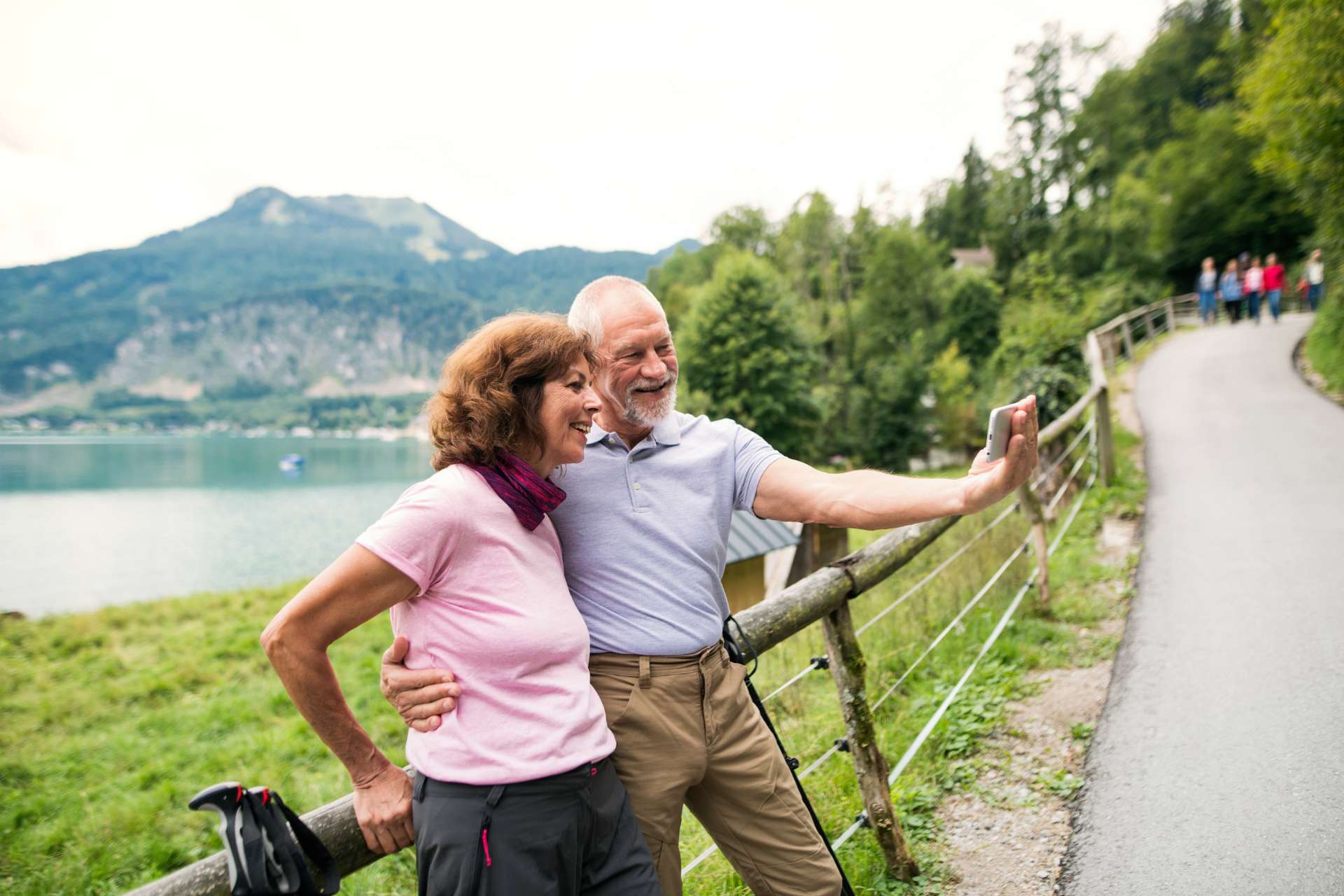
Specifically, this form of mobility relies on the use of zero-emission means of transport, such as bicycles, e-bikes, skateboards, scooters, and electric scooters, which allow for safe, economical, and environmentally friendly travel around the city. But it also relies on the oldest means of transport of all—our feet. In short, we're talking about travel on foot or via small electric or human-powered vehicles, which represent an alternative to the automobile, reducing traffic and pollution. Electric and low-emission public transport also have a place in the world of green mobility.

The benefits of slow traffic
Slow and sustainable transport is an innovative and successful approach to urban mobility, which can bring numerous benefits for people and the environment.
- Traffic and pollution: the use of low environmental impact means of transport can reduce air and noise pollution, and vehicular traffic in the city, reducing travel times.
- Health and quality of life: the use of active means of transport, such as cycling or walking, is good for your health and reduces the risk of cardiovascular disease and diabetes. Not only that: it also contributes to creating a more livable and pleasant urban environment, encouraging socialization and the creation of more cohesive and supportive communities.
- Cost: walking or cycling is also good for our pockets, since it helps reduce the costs of private transport and fuel.
- Sustainable tourism: the creation of slow road infrastructure can promote sustainable tourism, promoting local development and the conservation of natural and cultural resources.

How cities can promote slow traffic
What measures can municipal and regional governments implement to encourage citizens to leave their cars at home? Undoubtedly, it all starts with careful planning and adequate infrastructure. Green mobility certainly can't exist without roads!
Safe and stable pedestrian and cycling routes , sharing services, and widespread and efficient charging points for electric vehicles, combined with thoughtful awareness campaigns, are certainly an excellent starting point. From North to South, many municipalities and regions are rethinking their geography to include more slow and eco-sustainable routes—such as Bergamo, Genoa, and Parma, to name the latest winners of the Urban Award , the initiative that recognizes the most virtuous municipalities in terms of slow mobility.

Terra Solida's commitment to slow traffic
Walking or cycling along the peninsula, there is a good chance you will step on eco-friendly Terra Solida flooring.
Terra Solida has developed innovative materials and solutions that guarantee extremely high performance and promote gentle , environmentally friendly mobility in complete safety.
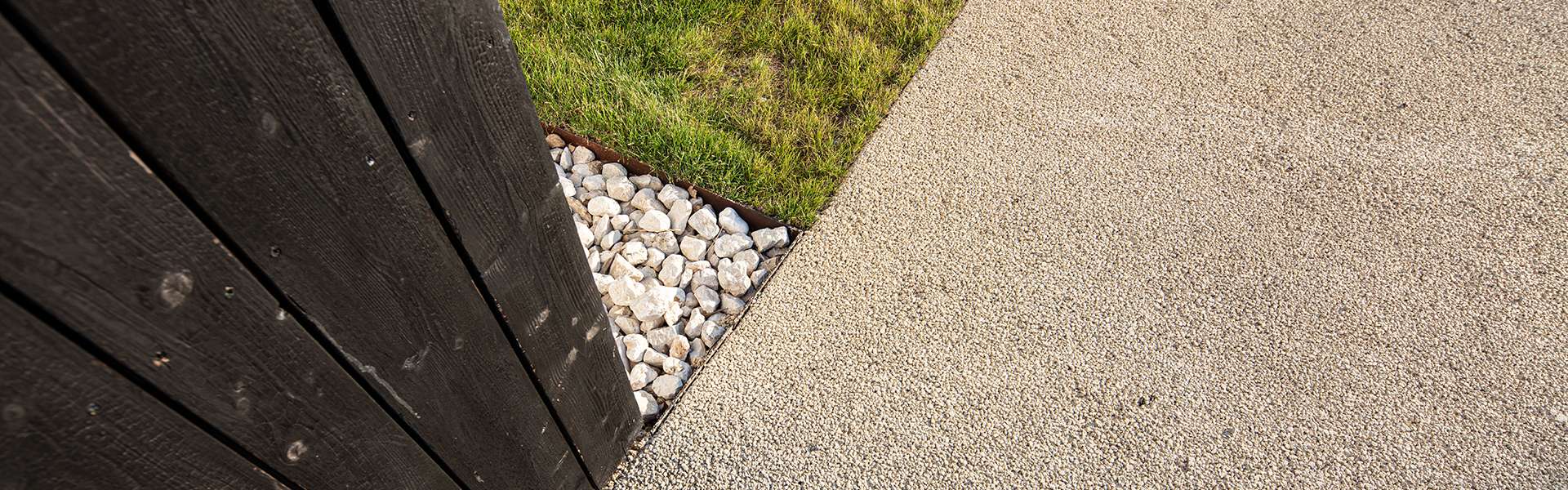
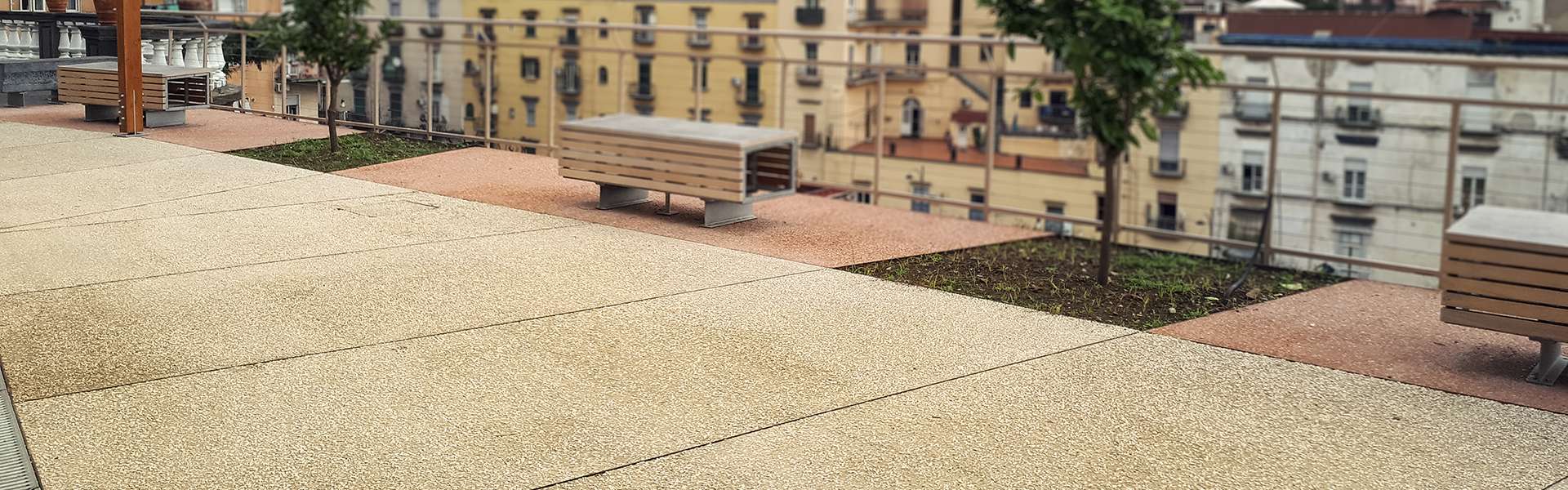
One such material is architectural concrete , ideal for creating bike paths. Thanks to the various sizes and materials of aggregate, the surface not only guarantees solidity and durability, but is also aesthetically pleasing.
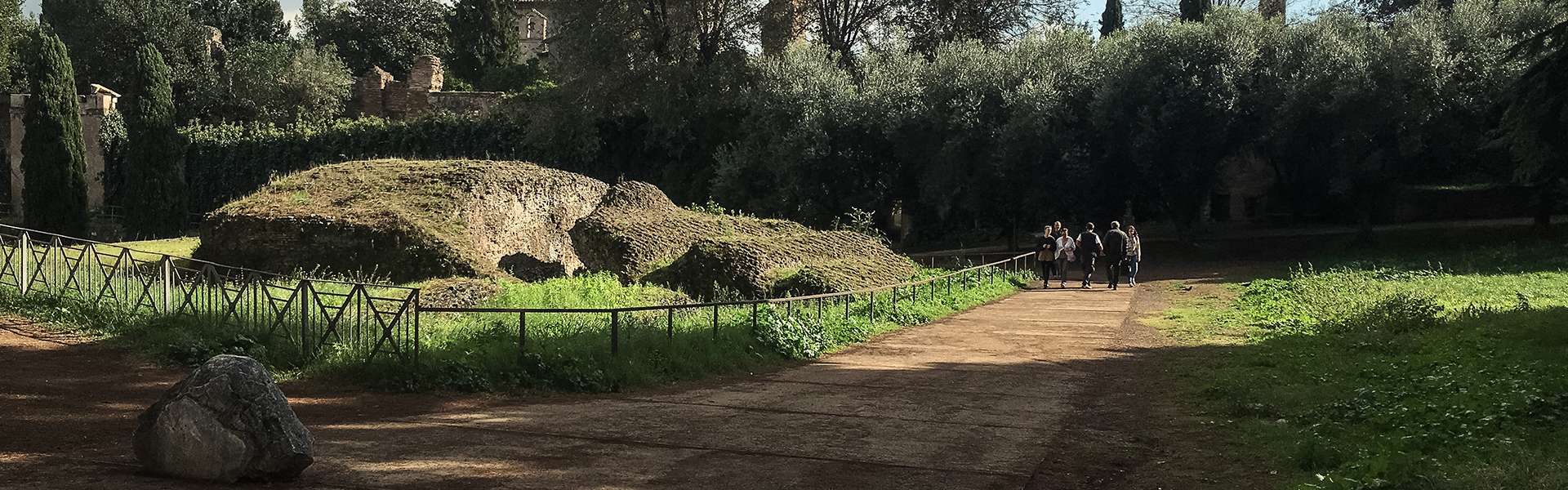
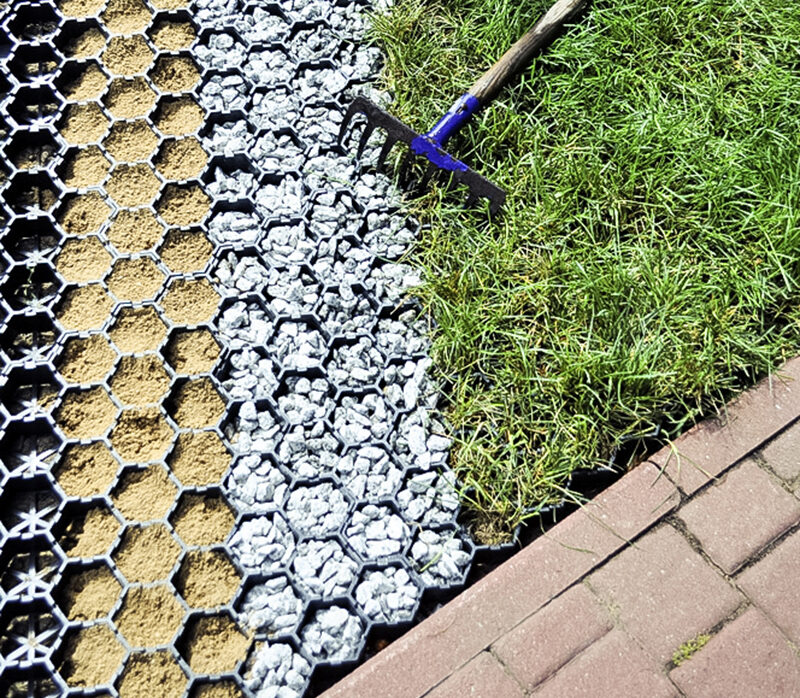
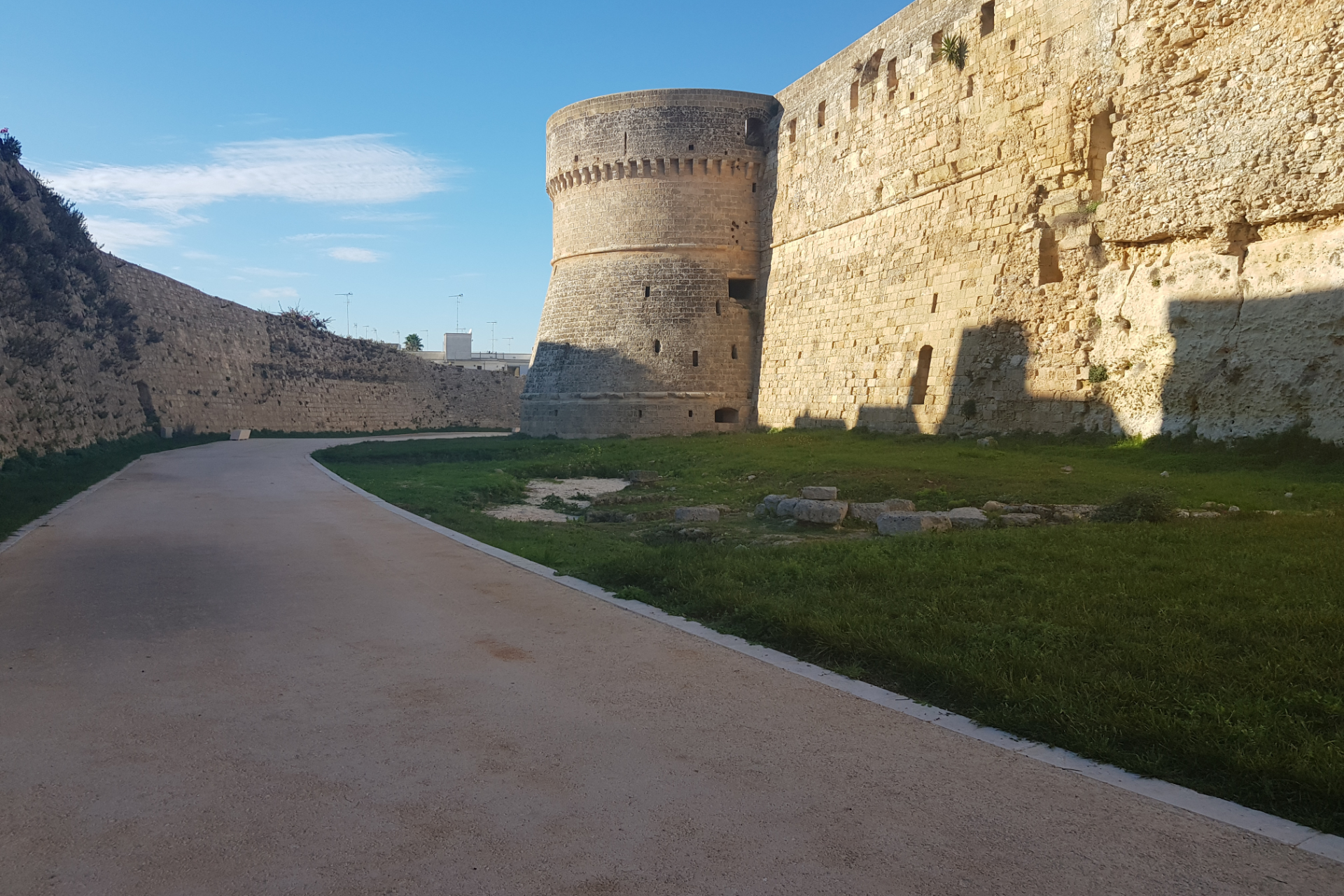
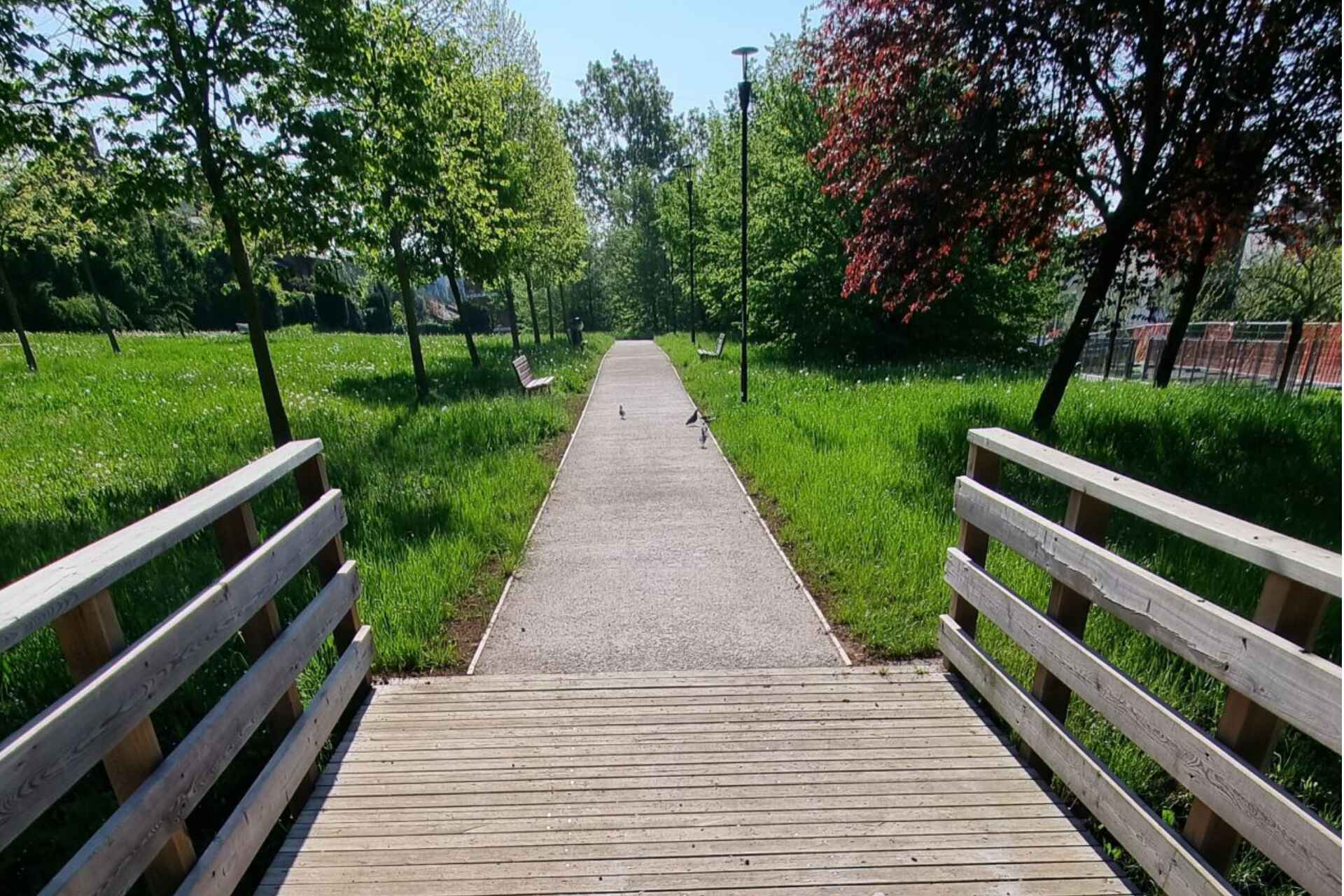
Another important ally of slow mobility that bears the Terra Solida signature is stabilized earth . Its harmonious surface, which prevents the formation of potholes, dust, or mud, makes it ideal for creating cycle paths and pedestrian paths, allowing you to fully enjoy the possibility of travelling on two wheels (or two legs).
Beautiful, solid, safe, ecological and high-performance: ecological roads like those created by Terra Solida combine performance with sustainability and are a fundamental piece of the green road system of the future.