


Walk to the sea: build roads in marine areas
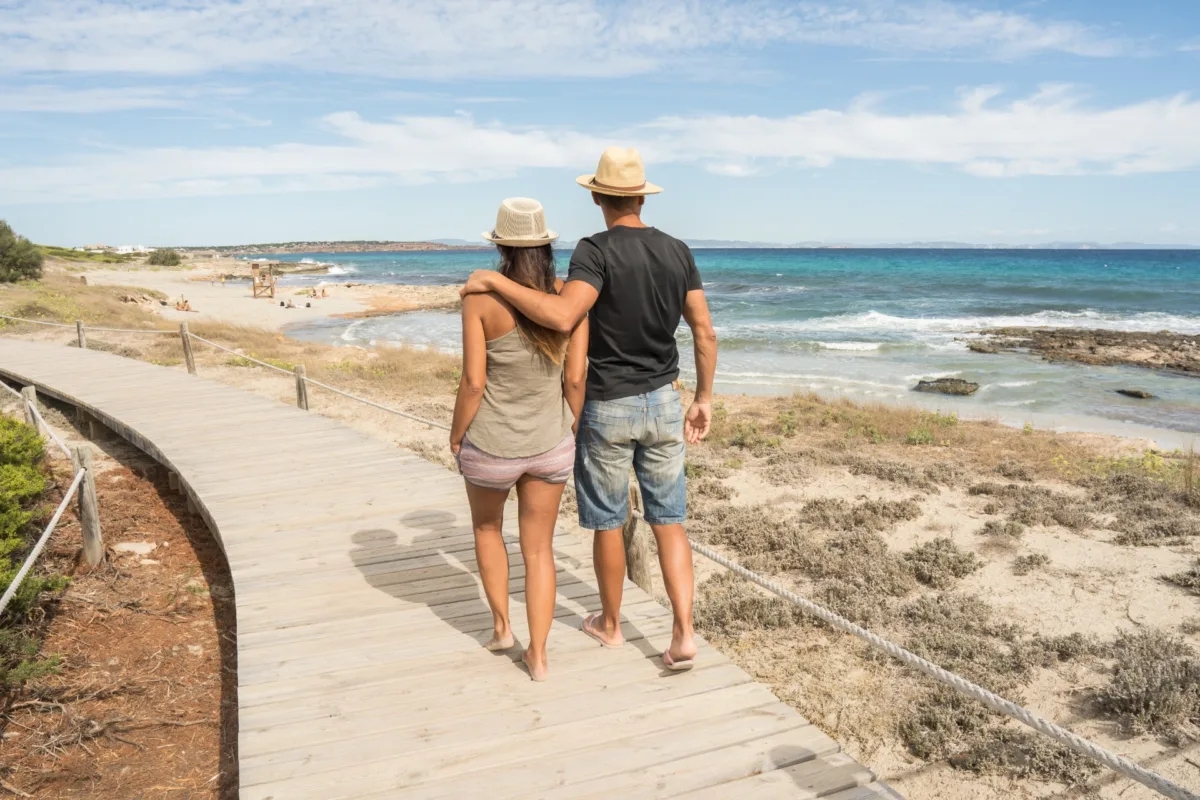
Walking by the sea, an activity as simple as it is rewarding, which can be made even more special by eco-friendly roads.
“The sea is everything: it is not for nothing that it covers seven tenths of the globe. It has a pure and healthy air, it is the immense desert where man is never alone, because he feels life trembling next to him. The sea is the vehicle of a supernatural and prodigious existence, it is movement and love, it is the living infinity.” – Jules Verne
How to blame the writer of Twenty Thousand Leagues Under the Sea? In an era in which the frenetic pace of modern life tends to distance us from nature, one walk by the sea represents an anchor of serenity, beauty and reflection. Whether admiring the sunrise or enjoying the warm light of the sunset, walking near the sea relaxes the mind, which frees itself from daily worries and opens up to contemplation and reconnection with themselves and nature.
Walking by the sea is not alone a healthy activity for body and mind, but it can help promote the environmental awareness. Through first-hand experience of fragile coastal beauty, citizens develop a greater understanding of the importance of preserving and protecting these delicate ecosystems. A walk well designed and sustainable not only offers a place of pleasure, but also an opportunity to educate and inspire active commitment to safeguarding our seas – and therefore of humanity itself.
The characteristics of a pedestrian promenade by the sea
The creation of a psuccessful pedestrian walk in a marine environment requires a harmonious combination of aesthetics, accessibility and sustainability. Here are some key features that should be taken into consideration:
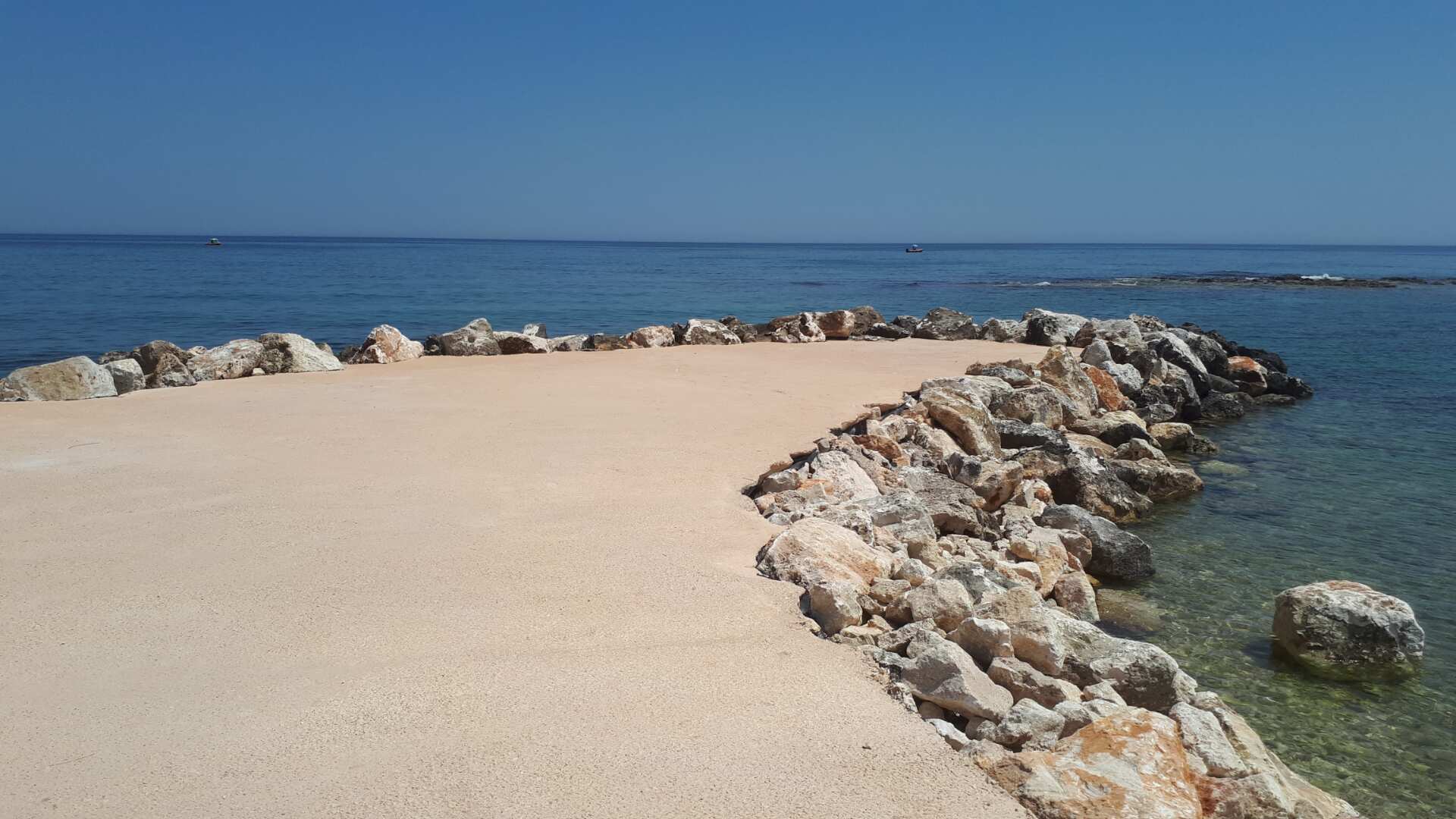
- Integrated design: the walk should blend naturally with the surrounding environment, respecting the ecosystem. Sustainable materials and eco-friendly technologies should be prioritized to minimize environmental impact. Even choose indigenous stabilized granular mixes contributes to greater respect for local identity.
- WEB accessibility: the walk must be accessible to people of all ages and abilities, with well-paved paths, ramps and elevators to ensure everyone can enjoy the experience.
- Security and lighting: Adequate lighting is essential for people to walk around safety both day and night. The use of low energy consumption solutions can contribute to sustainable design.
- Rest spaces and points of interest: viewing benches, shaded areas and information points on marine biodiversity can enrich the experience, transforming a walk into an opportunity for learning and environmental education.
- Community involvement: involving the local community from the early planning stages can ensure that the needs and wishes of the population are listened to and respected, creating a sense of belonging and care for the walk.
The walk by the sea can become much more than a simple moment of leisure; it's a way to embrace the beauty of nature, reflect on our relationship with the environment and contribute to safeguarding the planet for future generations.
With careful planning and the choice of ecological and recyclable flooring, we can build sustainable, durable and safe roads along our precious marine areas. A walk that, once undertaken, takes us not only along the shore, but also towards a more aware and respectful future.